












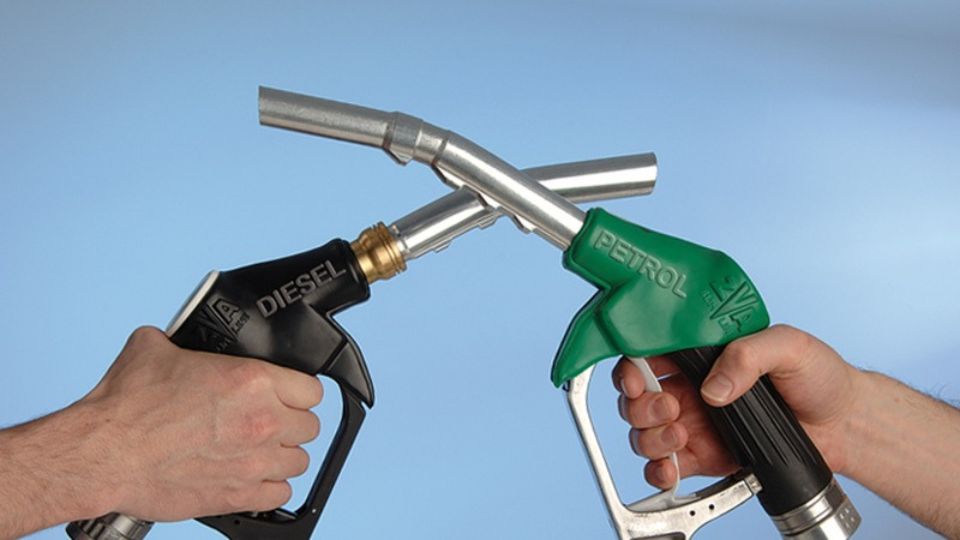
Ladies and gentlemen, drivers of all types and sizes, we present to you the age-old duel that has not ended even after many generations of cars: Gasoline vs. diesel. This fuel battle is like Coke vs. Pepsi, McDonald's vs. Burger King, or Batman vs. Superman. Okay, maybe it's not that dramatic, but when it comes to deciding on your new car, it can seem just as important. So let's get to it! So? Which car should you choose? Gasoline or diesel?
Regardless of whether you opt for a petrol or diesel engine, it is crucial to have your car inspected before you buy it. check by an experienced technician. Why? Because an experienced technician is able to identify potential problems that could cause complications in the future.
From corrosion in a corner of the bodywork to suspicious engine noises, an expert can spot signs of a potential problem that you might miss. Plus, they can provide you with an estimate of the cost of repairs, which is valuable information when making a purchasing decision.
So whether it's Gasoline vs. Diesel, always invest in a thorough car checks before purchase. Ultimately, the ultimate winner of the Gasoline vs. Diesel race is a safe purchase and a happy driver.

Gasoline engines: Acrobats of city streets
Which car should you choose? Petrol or diesel? Petrol engines are great. Really, really great. They're fast, light and quieter than their diesel counterparts. You know that feeling when you're behind the wheel and you can feel the car reacting to your every move? That's thanks to the petrol engine's quick response to the gas.
Gasoline engines work on the principle of a spark engine. How does it work? Well, a mixture of air and gasoline is injected into the cylinders, which is ignited by a spark from the spark plug. This ignition creates an explosion that pushes the pistons and powers the engine.
If you are someone who prefers sporty driving, or if you mostly drive around town, a petrol engine could be the right choice for you. Petrol engines are also suitable for those looking for a car with a lower starting price.
However, we cannot ignore the disadvantages of petrol engines. Petrol engines tend to consume more fuel and produce higher CO2 emissions compared to diesel engines. They are also less efficient over long distances and under heavy loads.
Diesel engines: Masters of highways and heavy loads
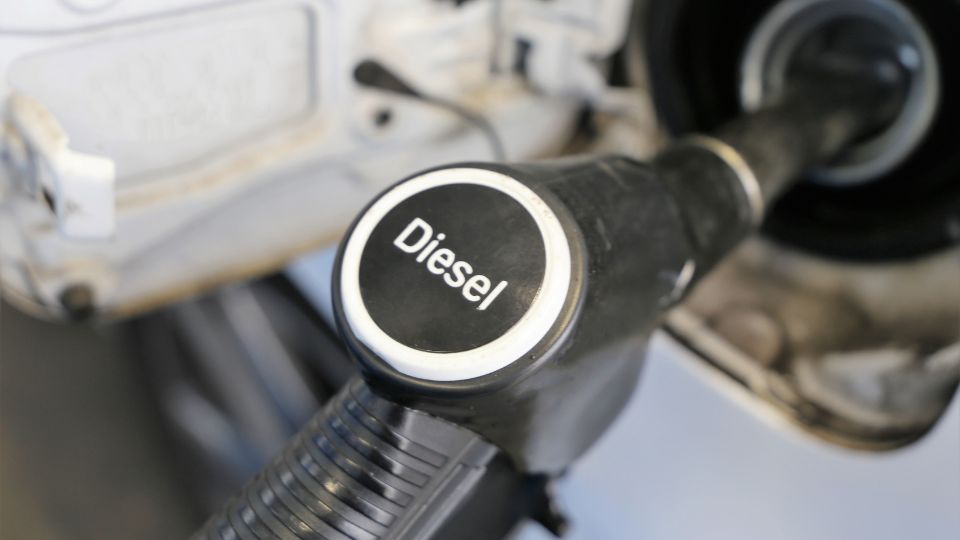
On the other side of the arena, we have diesel engines. These engines are known for their durability. They have great fuel efficiency and excel in long highway drives.
Diesel engines work on the same principle as a diesel engine. Diesel fuel is injected into the cylinders and compressed to the point where it self-ignites. This results in more torque at lower revs, which is great for towing or transporting heavy loads.
If you are someone who frequently travels long distances, or if your job involves transporting heavy loads, a diesel engine could be the right choice for you. Diesel engines also provide a longer range, which is great for those who don't want to stop at gas stations often.
But diesel engines also have their drawbacks. They are heavier, louder, and generally more expensive to maintain than gasoline engines. Diesel engines also emit higher levels of pollutants, which can be a problem in urban areas with emissions restrictions.
Finally, we would like to emphasize that whether you decide on a petrol or diesel engine, it is important to have your car inspected before buying it. check by an experienced technician. Because you know, safety first! Whether it's Gasoline vs. diesel, we always want the winner to be a safe and satisfied driver. Which car to choose? Gasoline or diesel? It really just depends on how you're going to use the car.
Gasoline or diesel? Gasoline engine
Pros of a gasoline engine:
- Fast throttle response: Gasoline engines have faster acceleration, which is ideal for city driving and sporty driving styles.
- Quiet operation: Gasoline engines are generally quieter than diesel engines.
- Lower initial costs: Gasoline cars tend to be cheaper to purchase.
- Less weight: Gasoline engines are generally lighter than diesel engines.
Disadvantages of a gasoline engine:
- Higher fuel consumption: Gasoline engines tend to have higher fuel consumption compared to diesel engines.
- Higher CO2 emissions: Petrol engines produce more CO2 compared to diesel engines.
- Less efficient on long journeys: Gasoline engines are not as efficient as diesel engines for long distances or heavy loads.
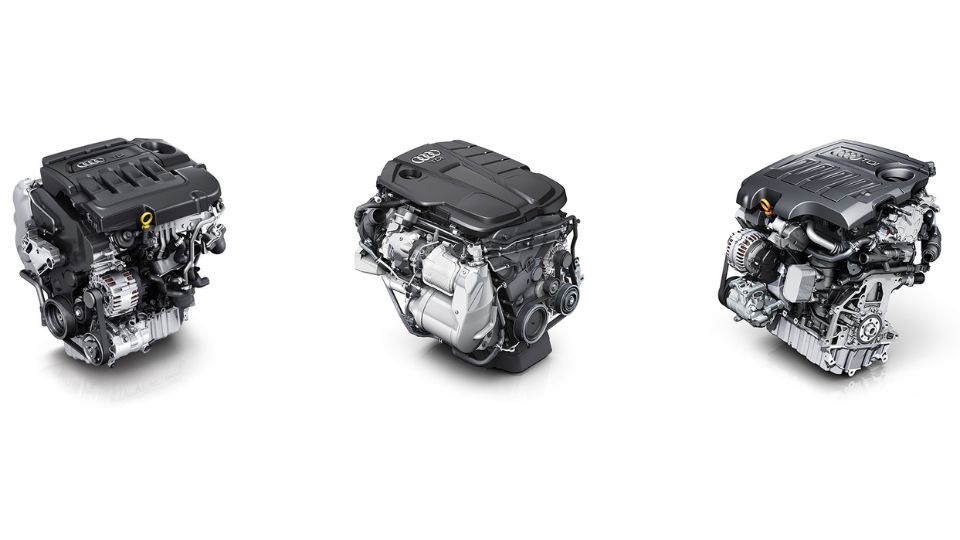
Gasoline or diesel? Diesel engine
Advantages of a diesel engine:
- Higher fuel efficiency: Diesel engines are generally more efficient and offer better range per tank of fuel.
- Higher torque: Diesel engines have more torque at lower rpm, which is ideal for towing or transporting heavy loads.
- Better for long distances: Diesel engines are better suited for long drives and highway driving.
Disadvantages of a diesel engine:
- Louder noise: Diesel engines are generally louder than gasoline engines.
- Higher maintenance costs: Diesel engine repairs can be more expensive compared to gasoline engines.
- Higher emissions: Diesel engines can produce higher amounts of pollutants such as particulate matter and NOx.
Follow us through our social networks, Don't miss any news.