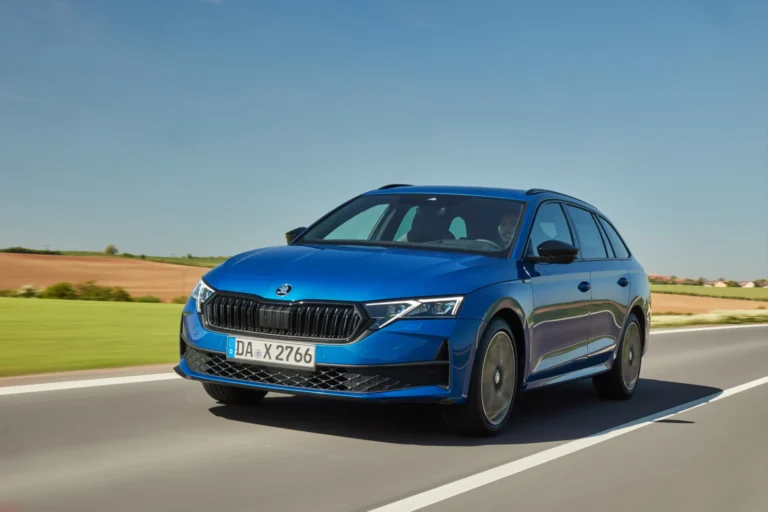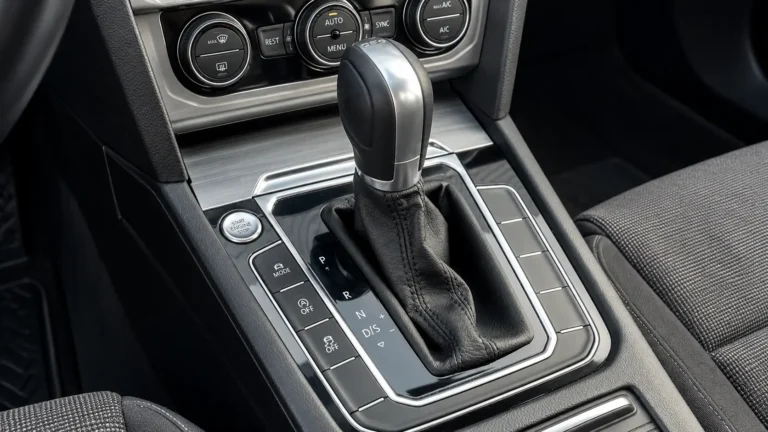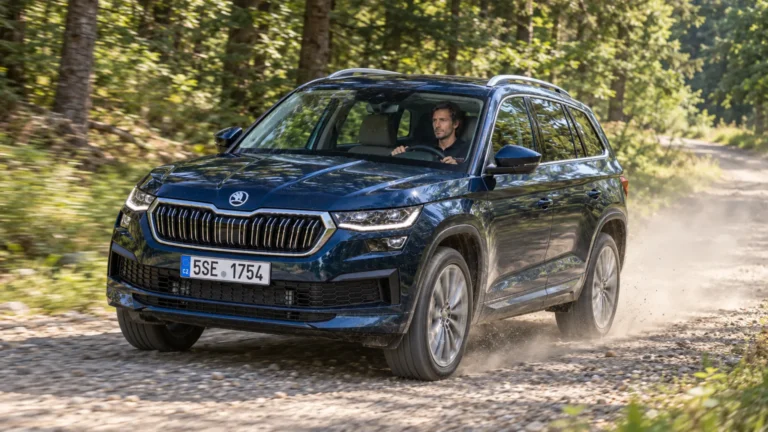













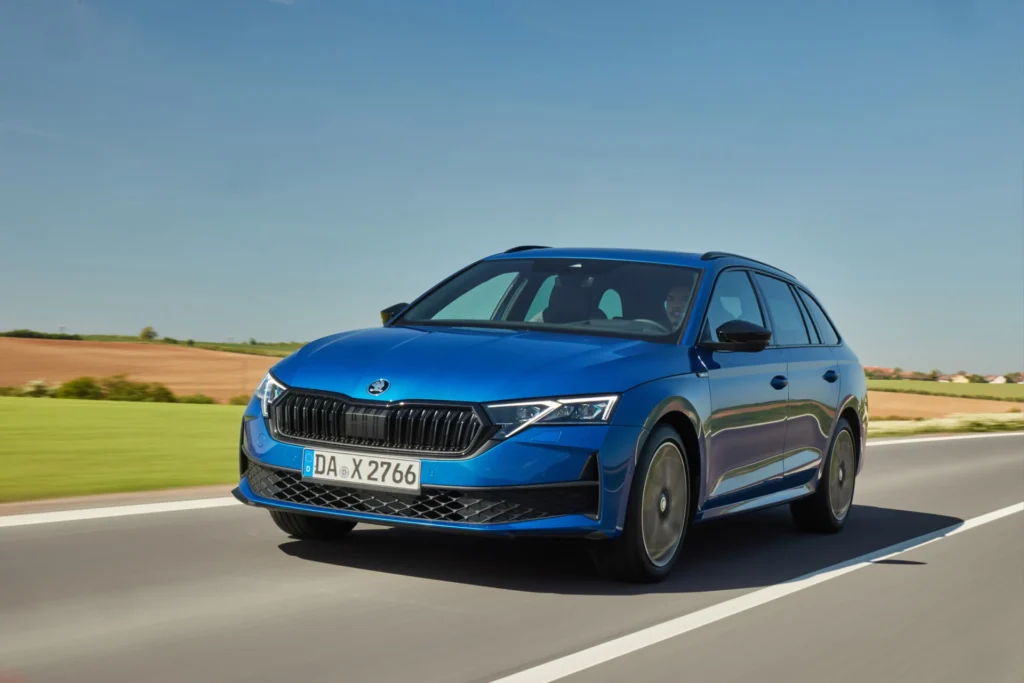
A used Škoda Octavia IV can be a great family car and a comfortable companion for long journeys. When choosing a used car, however, it is not enough to decide between petrol and diesel. It also depends on the gearbox, previous use, service history and the functionality of the electronics.
For a combination of city, county roads and the occasional motorway, we would recommend the 1.5 TSI with 110 kW as the default choice. For regular long journeys, the 2.0 TDI with 110 kW makes sense. The plug-in hybrid iV is worth considering especially if you will be charging it regularly. This is a recommendation based on usage, not a ranking of engines based on failure statistics.
However, for a specific car, the actual condition is more important than the ideal engine on paper. Therefore, it is worth combining a history check with physical inspection of the car before purchase. In this guide, you'll find out how each version differs, where to look for vulnerabilities, and what to check before signing a purchase contract.
Octavia IV or Octavia iV? Beware of similar markings
The fourth generation of the Skoda Octavia was introduced in November 2019 and went on sale in 2020. A facelift followed in 2024 with a revised appearance, equipment and engine range.
When searching for ads, you may come across several similar names:
- Octavia IV or Octavia 4 means the fourth generation of the model.
- Octavia IV indicates a plug-in hybrid that can be charged from a socket.
- Octavia e-TEC is a mild-hybrid design that you do not charge externally.
- Octavia G-TEC uses compressed natural gas (CNG) propulsion.
The difference is crucial for service and future operation. Therefore, always specify the designation "hybrid" in the advertisement according to the technical data of the car.
Which engine to choose for a used Octavia IV?
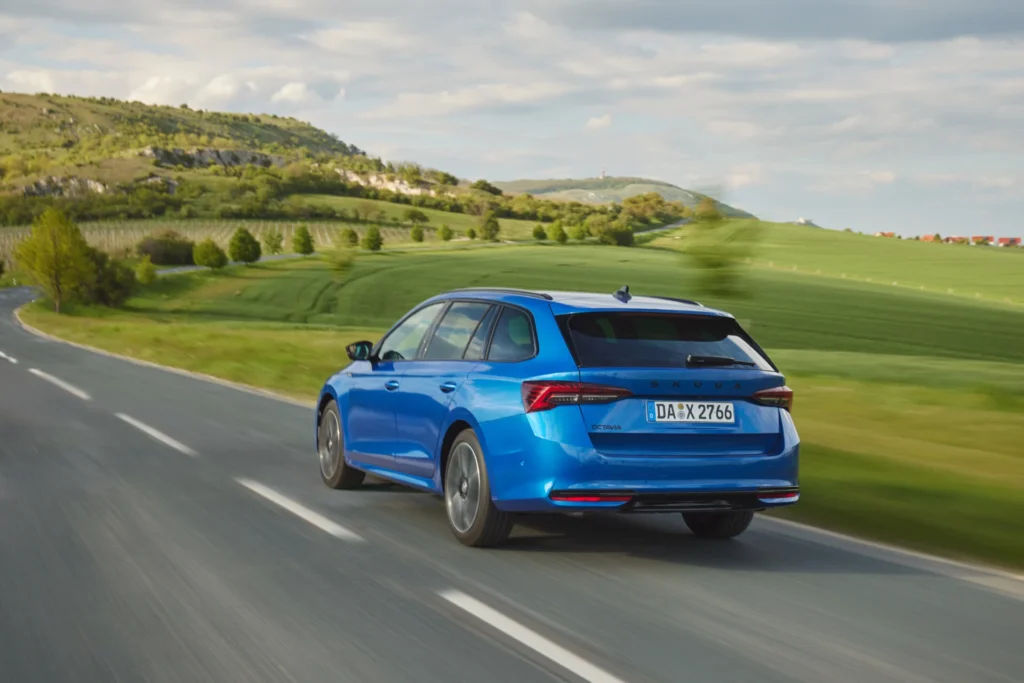
First, figure out what your typical journeys look like. A car that makes several short trips a day has different requirements than a car that regularly spends hours on the highway.
| Engine or design | What use should you consider it for? | What to emphasize before buying |
|---|---|---|
| 1.0 TSI 81 kW before facelift | Smooth ride, less load | Test the dynamics in everyday use |
| 1.5 TSI 110 kW | Universal family operation | Cold start, smooth running and service records |
| 1.0 and 1.5 TSI e-TEC before facelift | Those interested in gasoline with an automatic transmission | DSG, diagnostics and functionality of the 48V system |
| 2.0 TDI 85 or 110 kW | Regular longer routes | Emission system, service history and transmission maintenance |
| 1.4 TSI iV 150 kW system | Shorter daily routes with regular charging | Traction batteries, charging and hybrid drive |
| 2.0 TSI, RS and more powerful TDI | Higher demands on dynamics | Performance, brake, chassis and drivetrain modifications |
| 1.5 G-TEC 96 kW | Drivers with convenient CNG availability | Gas system, documentation and tanks |
The table summarizes selected versions of the fourth generation, not the offerings of a single model year. Availability varied by period and market.

1.5 TSI 110 kW as a universal option
If you want one car for commuting, family trips, and vacations, we'd start with this engine. It's a reasonable starting point for drivers who alternate between different types of routes.
Make an appointment for a used Octavia 1.5 TSI cold start. Check that the engine starts without difficulty, runs smoothly and does not lose power or jerk significantly when accelerating smoothly. After driving, check for any fluid leaks and compare the service records with the mileage.
Irregular operation may not mean major mechanical damage. But you need to know the cause before buying. Explaining "it's a characteristic of the engine" without verification is not enough.
2.0 TDI 110 kW for long distances
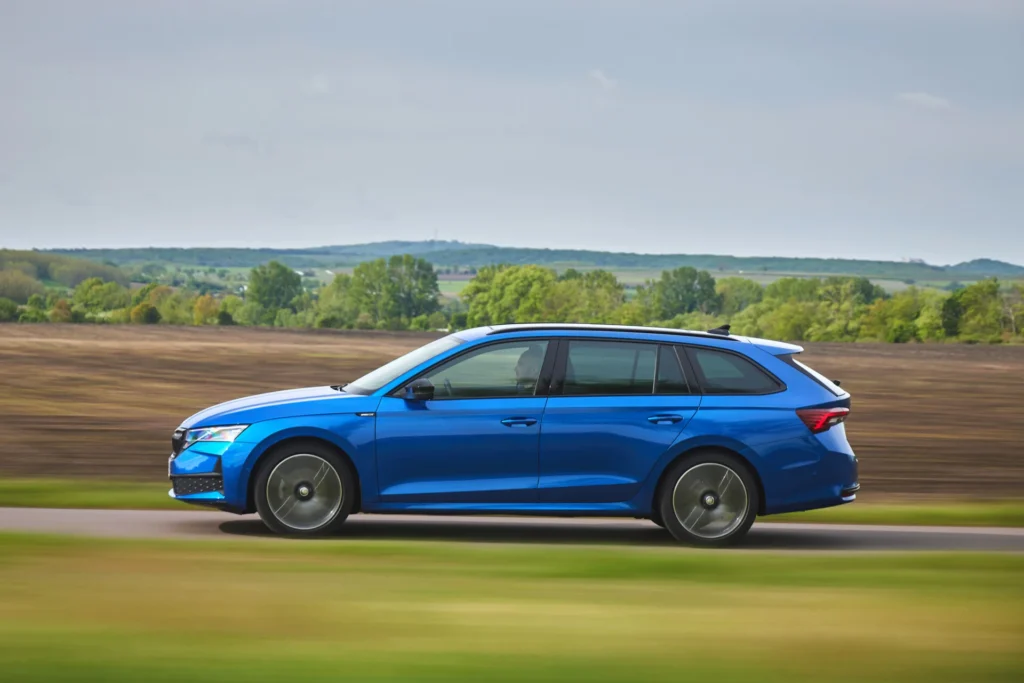
For regular highway travel, we would shortlist 2.0 TDI 110 kW. It also makes sense to try the weaker 85 kW version, especially if a quiet ride and a budget are your priorities.
For diesel, look into the particulate filter, SCR system with AdBlue and documented maintenance. The predominance of short routes can worsen the conditions for DPF regeneration. The annual mileage alone is therefore not a sufficient guide: it also depends on the length of the individual trips.
Don't automatically reject a car with a higher highway mileage. Compare its condition and service with a car that has fewer kilometers but an unclear history. A reputation for a durable engine is no substitute for checking the emissions system or transmission.
If you already have a specific diesel Octavia selected, when independent physical inspection of the car its drive can be assessed together with available diagnostic data and service history.
1.0 TSI for quieter use
Three-cylinder 1.0 TSI 81 kW It was part of the pre-facelift range. After the 2024 upgrade, it was replaced by a four-cylinder petrol engine in the basic petrol range. 1.5 TSI 85 kW.
There's no need to rule out a 1-liter engine just because of its size. But when buying, make sure it's comfortable for overtaking, climbing hills, and carrying a heavy load. A short ride on the flat with one person can feel different than a family vacation with a full suitcase.
If you often travel with more people and require more reserve, we would add the 1.5 TSI 110 kW to the comparison.
Choose e-TEC and iV according to operating conditions
Mild-hybrid e-TEC uses a 48V system and in pre-facelift versions is connected to the DSG. It obtains energy through recuperation; you do not need a charging cable for it. Plug-in hybrid IV It combines a gasoline engine with an electric motor and allows external charging.
For e-TEC, request a diagnostic check of the relevant systems and test the transitions between operating modes.
For iV, additionally verify:
- charging functionality,
- electric driving,
- operation of the combustion engine,
- transitions between individual modes,
- the condition of the traction battery by an appropriate test.
The range displayed on the dashboard does not, by itself, confirm the health of the battery.
We would recommend a plug-in hybrid mainly to drivers who can regularly charge at home or at work. Before buying, calculate your traffic and arrange for an inspection by someone who can also assess the hybrid system.
Skoda Octavia IV as a used car and RS, 4×4 and G-TEC require additional inspection points
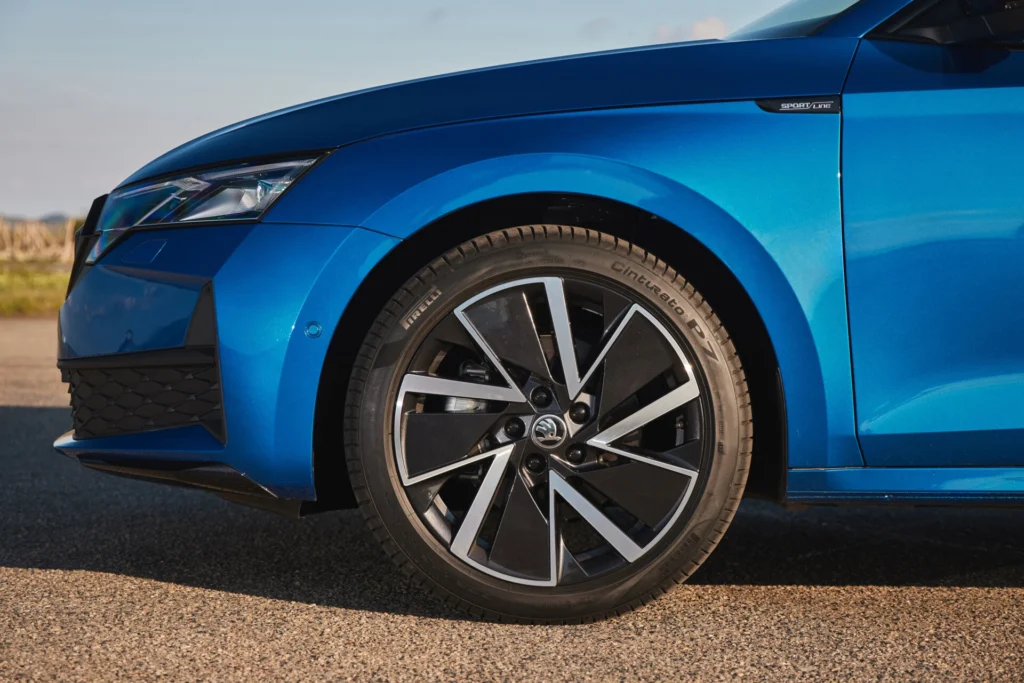
For sportier versions, ask about performance modifications and check the condition of the brakes, tires, and chassis. Pay attention to any discrepancies between the declared stock condition and the modifications found.
For quad bikes, check the service and functionality of the rear axle drive. The 4×4 logo on the body alone does not say anything about the current status of the system.
For G-TEC, add a check of the gas system, documentation and tank data, including their prescribed service life and inspections. Choose this version also depending on where you will normally refuel with CNG.
Octavia IV with DSG or manual?
A manual makes sense if you are comfortable with your own shifting. But even with that, check the clutch, gearshifts, and any unusual noises from the drivetrain. A manual transmission alone does not guarantee cheap service.
DSG may be more pleasant for everyday travel, but there is no one universal service interval for all gearboxes marked DSG. Check the exact type and prescribed maintenance for your specific vehicle.
The designs differ: for example, the technical documentation for the pre-facelift Octavia states that the 1.5 TSI e-TEC has dry clutches and the 2.0 TDI with DSG has wet clutches.
During the test drive, try smooth starting, coasting, reversing and normal gear shifting after warming up. Repeated significant vibrations, strong shocks, loss of engagement or error messages deserve further investigation.
If suspicious symptoms appear while driving, have the transmission assessed within the scope of professional checks of Octavia before purchase. Postpone your purchasing decision until you know the probable cause and extent of the repair needed.
You can find a more detailed procedure in the article DSG gearbox in a used car: How to identify the problem before buying.
Weak points of the Octavia IV and what to watch out for
The software and electronic equipment of this model deserve special attention. Other risks arise from the specific engine, wear and tear and the history of the car. The following points are not a ranking of the frequency of failures.
Infotainment and connectivity
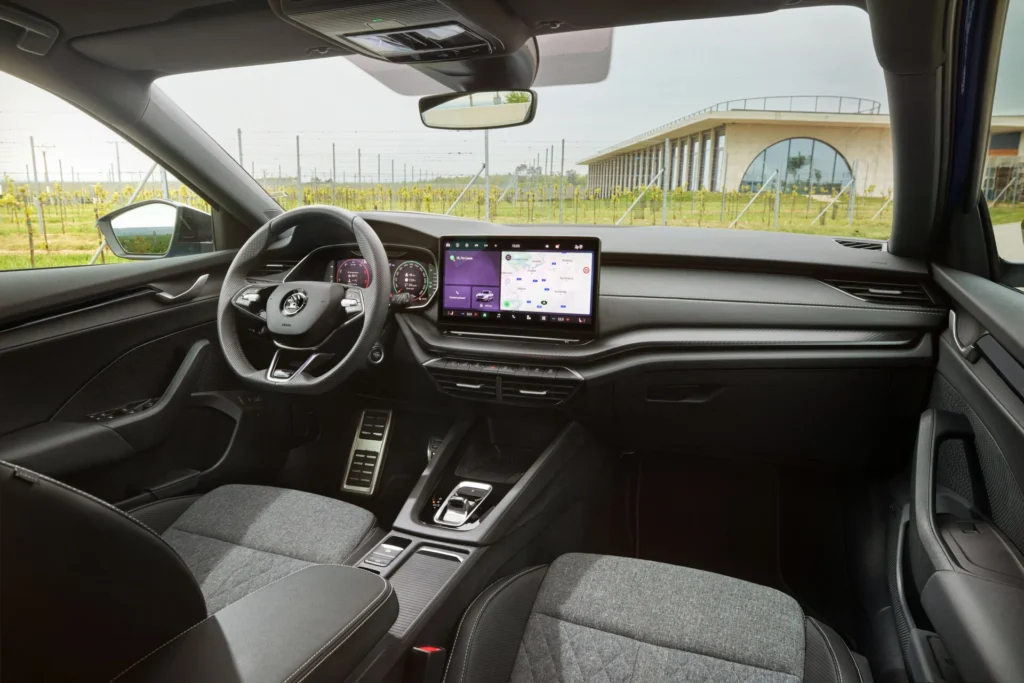
Skoda has released updates for the Octavia that address the stability of SmartLink and Bluetooth, reduce infotainment restarts or outages, and adjust online communication. Therefore, it is important to check the actual functionality and status of the updates when inspecting.
Connect your own phone, test calls, audio playback, navigation and, if equipped, the parking camera. Monitor the system during a longer test drive. One successful start in a parking lot may not reveal an intermittent problem.
If the system restarts, try to find out the cause and how to fix it before you buy. Don't rely on the promise that the next update will fix everything.
Assistance systems and electrical equipment
Check the messages on the instrument panel and test the available equipment in normal safe operation. Have the Travel Assist, SOS or other system warning explained by diagnostics and possibly service. The same message can have different causes.
Also test the air conditioning, heater, windows, locks and electric boot lid if fitted. Check the condition of the 12V battery. However, do not automatically attribute error messages to a weak battery without taking measurements.
Diesel emission system
For the 2.0 TDI, it is not enough that the engine light is off. Take a look at the stored faults and available operating values of the DPF and SCR system. The AdBlue message may mean something more than just the need to top up the fluid.
The technician must evaluate the data together with the driving and service history. A single number from the diagnostics or an empty fault memory alone does not confirm a perfect condition.
Chassis, brakes and accident repairs
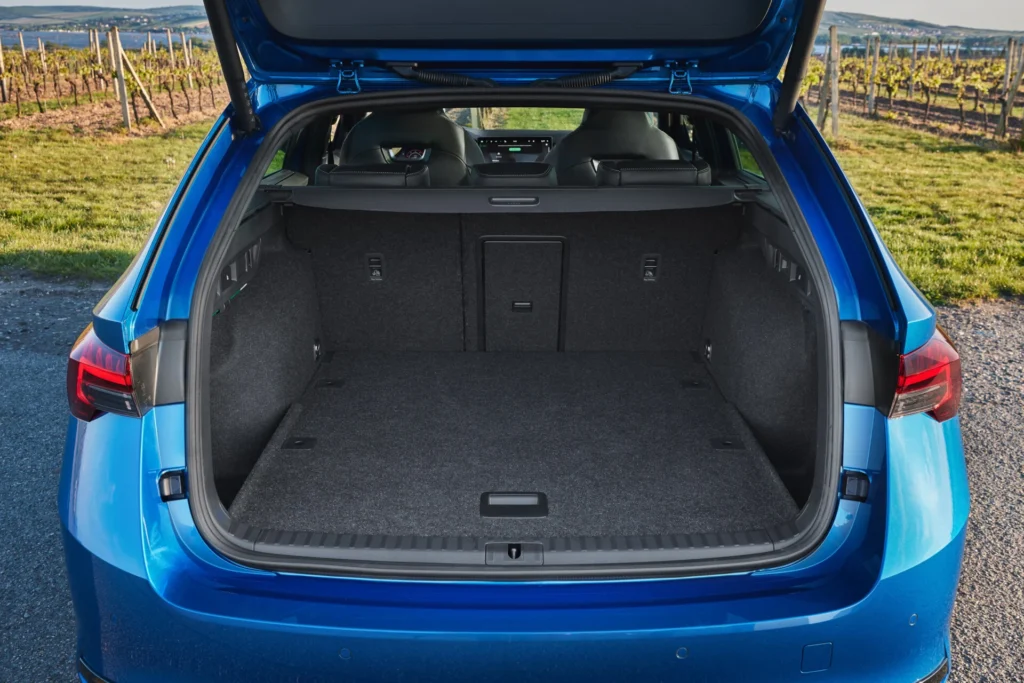
Listen for knocking on bumps, watch for vibrations when braking, and check for even tire wear. For more advanced trim levels, try adaptive dampers, if your car has them.
Inspect body joints, paintwork, component attachments, and available support parts. A repaired fender has a different meaning than a damaged body structure. Even an unusually high paint value does not in itself determine the severity of the accident: the extent and quality of the repair is decisive.
After replacing the windshield or repairing the front end, also ask about the necessary settings and calibration of the relevant assistance systems.
What year of Octavia IV should I buy?
The first years of production should be judged primarily by the updates and repairs that a particular car has undergone. It is not justified to label all cars from one year as problematic or, conversely, flawless.
A well-documented older car may be a better buy than a younger car with an unclear history. For a 2024 facelift, consider the engine and equipment changes. Modernization alone does not confirm that a used car no longer needs a thorough inspection.
Verify recalls and service events
Before purchasing, ask an authorized service center to check open actions for a specific VIN and find out which interventions have already been performed.
As of the date of writing, Škoda is also informing about a preventive action due to a possible problem with the steering system mounting bolt. It only affects some cars of several model lines, including the Octavia, manufactured between 2013 and 2024.
The eligibility of a specific car for the event cannot be determined solely based on the year of registration. For details, please refer to the official Škoda Auto information about the steering recall. Please check with your authorized service center for the current procedure for your selected car.
Service history is crucial even for cars with low mileage
Request specific records of maintenance and repairs. Ask about the date, mileage, scope of work and materials used. Škoda uses both fixed and variable service intervals; the prescribed tasks need to be related to the specific car.
Check in particular engine oil changes, transmission maintenance and possibly 4×4 drive. For timing belts, check the requirements according to the exact engine and service plan, not a general figure for all Octavias.
If the documents are missing, don't automatically assume that the previous owner did everything necessary. Find out the scope of the initial service and include it in the budget along with tires, brakes, or other identified deficiencies.
What to check before buying a used Octavia IV
| Area | What to request or try |
|---|---|
| Identity and history | VIN matches documents, available mileage, repair and service records |
| Cold engine | Starting, running, noises and possible fluid leaks |
| Transmission | Starting, shifting, reversing and warm-up behavior |
| Electronics | Infotainment with its own phone, air conditioning and available equipment |
| Diagnostics | Stored faults and evaluation of available operating data |
| Body and chassis | Accident repairs, paint, structural parts, brakes and tires |
| Specific drive | Depending on the version, battery and charging, CNG system or 4×4 drive |
| Service events | Open and completed interventions by VIN |
Before you travel, ask the dealer for the VIN. The first steps are described in the guide. Free VIN Check: How to Check a Used Car. But always supplement database records with a physical inspection.
If you are not sure how to evaluate individual findings, it will help you physical inspection of a used Octavia, during which the technician assesses the car as a whole and explains the severity of the deficiencies found.
Do you have an Octavia IV in mind? Have a specific car inspected
A well-chosen engine is a start. Whether it is worth buying a particular Octavia is also determined by the condition of the body, transmission, chassis and electronics.
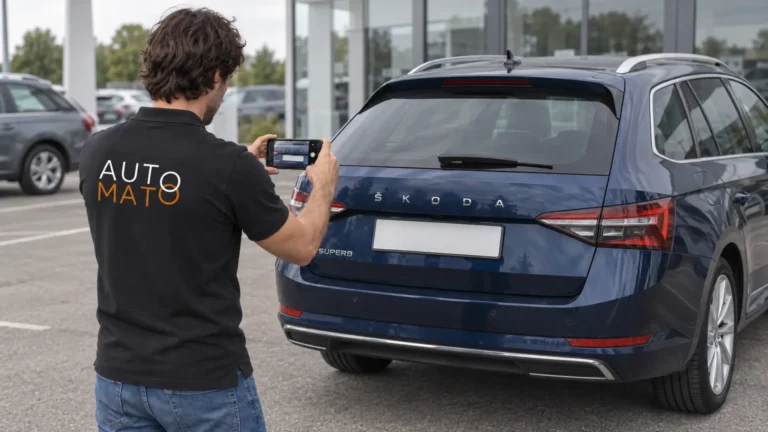
At Automato, during an independent pre-purchase car inspection, we will inspect the car, perform paint measurements, diagnostics, and a test drive, if conditions and the seller allow. You will receive the findings in a clear report with photos and video. We will also list any restrictions on the inspection.
Before you sign the purchase contract, find out what condition the selected Octavia actually is in. Order a car inspection before buying.
Frequently asked questions
What engine is best for a used Octavia IV?
For mixed traffic, we would recommend the 1.5 TSI 110 kW as the default choice, and for regular long trips, the 2.0 TDI 110 kW. It is a choice based on use. The condition of the specific car and documented maintenance are of fundamental importance when purchasing.
Is a used Octavia IV with DSG a good buy?
It can be if the transmission is working properly and has adequate service history. Test it cold and warm and verify the prescribed maintenance for the exact type. The number of gears alone does not determine reliability.
What problems should I check for in the Octavia 4?
Focus on the stability of the infotainment system, the functionality of the electronic equipment, the transmission and the repair history. Depending on the engine, add a check of the diesel emission system, hybrid drive or CNG system. The scope of risks varies from piece to piece.
Is the Octavia IV worth it after operational leasing?
It makes sense to assess such a car based on documented maintenance and actual wear. The company origin in itself is not a reason to buy or reject it. Check the service, body repairs, mileage and condition of the interior and drivetrain.
How many kilometers is still acceptable for the Octavia IV?
There is no universal limit. The method of operation, care and condition of individual components are decisive. For higher mileage, expect a more thorough assessment of wear and tear and find out what repairs or service will be needed soon.