













Buying a used car can be a great way to get a quality vehicle for a reasonable price. However, a poorly chosen car can quickly turn into an expensive nightmare. At first glance, it may look beautiful, with polished paint, a clean interior, and an appealing description in the ad. However, the true condition of the car is often revealed only after a detailed inspection. How much is it worth checking the car before buying?
So how do you recognize a good used car before buying it? What to look for when inspecting, what to check with the seller, and why it's not enough to rely solely on the photos in the ad? We've prepared a clear guide that will help you reduce the risk of making a bad purchase.
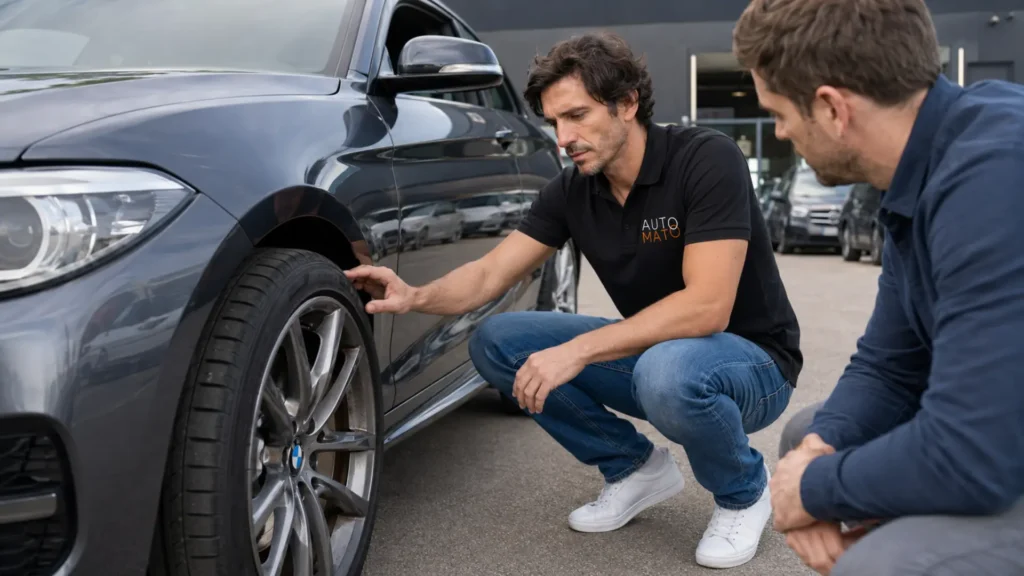
Photos in the ad are not a guarantee of a good car
Today, first impressions are mostly made online. Buyers open an ad, look at the photos, read the description, and within seconds feel like they've found the perfect car. But this is where you need to be careful.
Photos in an ad often show the car from the best angles. The car is washed, polished and photographed to make it look its best. However, you will usually not see minor paint defects, different body colors, incipient corrosion, oil leaks, worn chassis or diagnostic errors in the photos.
A good ad is just the beginning. It should never be the only reason to buy a car. The true condition of the car can only be known by physically inspecting the car before buying.
Start with a history check followed by a physical inspection of the car
Before you go for a look, it's a good idea to check the basic information about the car. The VIN code is especially important, as it can provide some information about the vehicle's history.
Before buying, focus primarily on:
- number of previous owners,
- service history,
- accident records,
- tachometer status,
- origin of the vehicle,
- regularity of technical inspections,
- any records of insured events.
But a car's history may not show everything. Not every repair, accident or service intervention will appear in the databases. That's why it's important to combine online checks with physical inspection of the car.
Beware of the suspiciously low price
Price is one of the first signs that something may be wrong. If a car is significantly cheaper than similar cars on the market, buyers should be wary.
A low price doesn't necessarily mean there's a problem, but there's often a reason for it. It could be a hidden technical defect, poor service history, a previous accident, higher wear and tear, or a problem with the documents.
When choosing a used car, don't just look at the lowest price. What's more important is the overall condition of the car, the real future costs, and the risk of repairs after purchase. A cheap car can end up being very expensive.
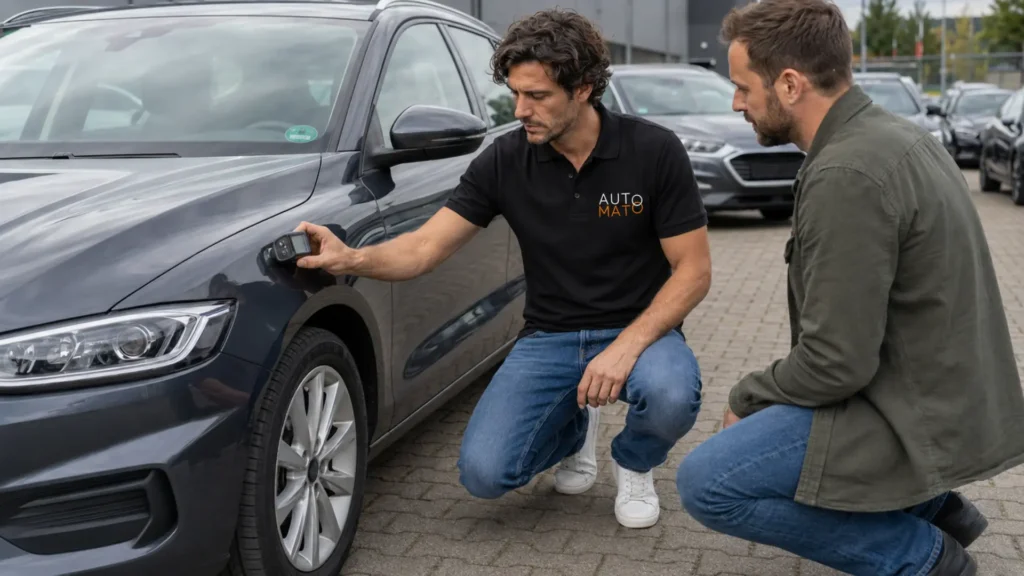
Check the bodywork and paintwork
The bodywork is one of the most important parts of a used car inspection. At first glance, a car may look very good, but a detailed inspection will often reveal accident repairs, painted parts, or poorly fitted body parts.
When checking, focus on:
- different shades of paint,
- gaps between body parts,
- traces of paint,
- surface irregularities,
- corrosion,
- the condition of thresholds, trims and lower parts of doors,
- windshield and headlights,
- damage to bumpers and fenders.
Measuring the thickness of the paint is also very important. It can be used to determine whether certain parts have been painted, sealed or repaired after an accident. Without a paint gauge, these defects are often very difficult to identify.
Don't underestimate the interior
The interior often reveals more than meets the eye. The condition of the seats, steering wheel, pedals, gear lever or controls can show whether the mileage is realistic.
If a car is said to have low mileage but the interior is significantly worn, it's a good idea to be cautious. Mileage alone is not the only measure of quality, but it should reflect the overall condition of the car.
Also check the functionality of the equipment. Air conditioning, electric windows, infotainment, parking sensors, seat heating, lights, central locking or assistance systems can be expensive to repair.
The engine must run smoothly and without any suspicious noises.
The engine is the heart of the car and its inspection is absolutely essential. When starting cold, check that the engine starts without problems, does not smoke, does not knock, does not fluctuate in speed and does not make unusual noises.
Pay particular attention to:
- irregular engine operation,
- exhaust smoke,
- oil leaks,
- the smell of burning,
- problems starting,
- dashboard lights,
- unusual vibrations,
- suspicious noises from the engine compartment.
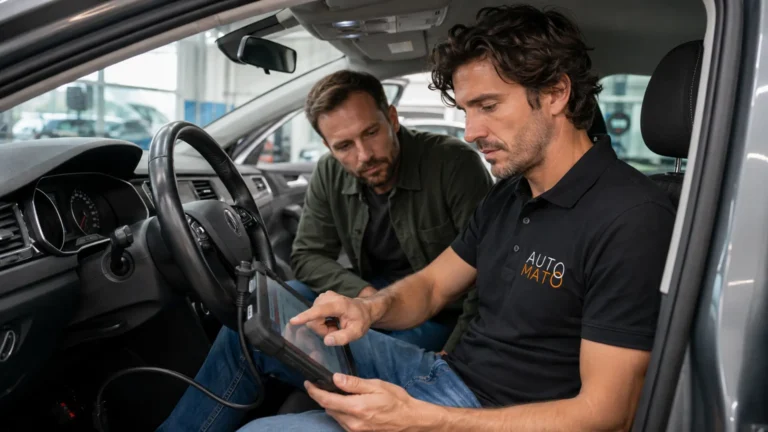
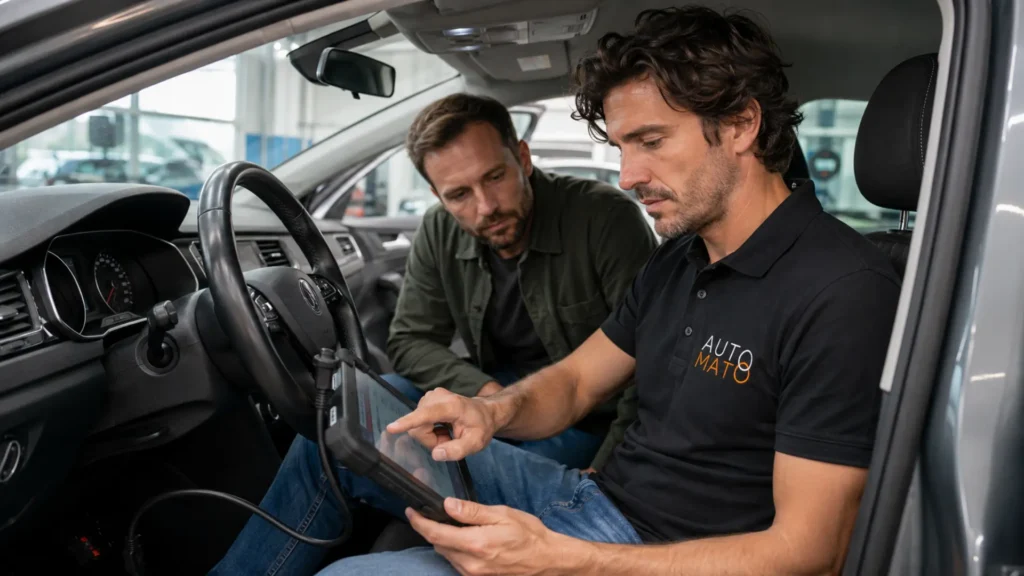
Diagnostics are also very important for modern cars. Some errors may not be visible on the dashboard, but they may be stored in the control units. Pre-purchase car diagnostics can reveal problems with the engine, transmission, DPF, EGR, turbo, injectors, electronics or other systems.
A test drive is a must
A car should never be purchased without a test drive. It is during the drive that many problems can be identified that are not visible on site.
During the test drive, observe:
- gear shifting,
- clutch operation,
- engine response,
- braking effect,
- sounds from the chassis,
- steering wheel vibration,
- car behavior during acceleration,
- stability at higher speeds,
- air conditioning and electronics function.
A good used car should drive smoothly, without jerking, significant vibrations, metallic noises, or unsteady behavior on the road. Any unusual sound or feeling while driving is a reason for a more detailed inspection.
The chassis may be hiding expensive repairs
The chassis of used cars is often overlooked, yet it is here that very expensive repairs can occur. Worn shock absorbers, pins, silent blocks, brakes, bearings or corrosion on the underside of the car may not be visible at first glance.
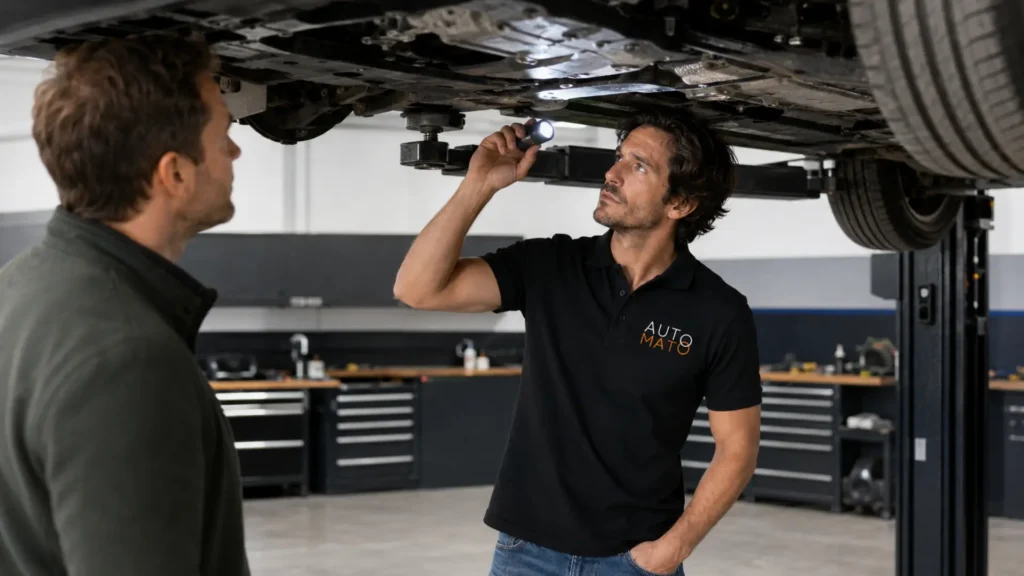
It is ideal to check the car from underneath, or at least using ramps or a jack if available. It is important to look for oil leaks, corrosion, damage to covers, play in the chassis and the overall condition of the brakes.
If the seller does not want to allow any chassis inspection, this is a red flag. A reputable seller should have no problem with the buyer wanting to thoroughly inspect the car.
Verify the vehicle's documents and identity
Technical condition is important, but documents are equally important. Before buying, check whether the information in the documents corresponds to reality. Check the VIN on the body, in the technical certificate and in other documents.
Be careful of discrepancies in data, missing documents, suspicious powers of attorney or unclear origin of the car. You need to be even more careful with imported cars, as administrative errors can significantly complicate the entire transfer. In the case of cars imported from abroad, it really A professional car inspection pays off.
Ask the seller the right questions
It's worth asking the seller a few specific questions before you buy. The more specific you are, the better you'll know if the seller is answering truthfully.
For example, ask:
- When was the last service performed?
- Have the wiring been changed?
- Does the car have a complete service history?
- Was the car wrecked or painted?
- Are invoices for repairs available?
- Why is the car being sold?
- Are there any known defects on the car?
- Is it possible to have an independent inspection of the car before buying?
The last question is very important. If the seller refuses an independent inspection, it may mean that they do not want the true condition of the car to be revealed.
How to recognize a good used car?
A good used car doesn't have to be perfect. Every used car has some wear and tear. But it's important that its condition matches its age, mileage, price, and information from the seller.
A good used car can be considered a car that:
- has a clear history,
- has no major hidden defects,
- corresponds to the description in the advertisement,
- has documented service,
- does not show serious errors in diagnosis,
- has a body without suspicious repairs,
- runs properly during a test drive,
- has reasonable wear and tear,
- does not require immediate expensive repairs.
The goal of the inspection is not to find faults in the car at all costs. The goal is to determine the actual condition of the car and decide whether it makes sense to buy it.
Why it pays to have a professional car inspection before buying
The average buyer often doesn't have the equipment, experience, or time to thoroughly inspect a car. Many problems are not visible to the naked eye. That's why it pays to have a professional car inspection before you buy.
The technician can check the body, paint, engine, interior, chassis, electronics, diagnostics and driving behavior of the car. The result is a clear report, photo documentation, video and recommendations on whether to buy the car or avoid it.
Checking a used car before buying It can help reveal defects that would mean tens of thousands of crowns in repairs after purchase. It can also serve as a strong argument when negotiating the price.
Conclusion: you can't tell a good used car from photos
Getting to know a good used car before buying is not just about its good looks, low price, or a pleasant impression from the dealer. What's important is a combination of history, technical condition, diagnostics, test drive, and physical inspection.
If you are unsure, have your car checked by a professional. Professional car inspection Before buying, it can save you money, time and unnecessary worries. There is a simple rule for a used car: it is better to detect a problem before buying than after signing the contract.
Frequently asked questions
How to recognize a good used car before buying?
A good used car has a clear history, adequate mileage, reasonable wear, trouble-free diagnostics, good technical condition and behaves properly during a test drive. It is also important to check the body, paint, engine, chassis and documents.
Is it enough to check the VIN before buying a car?
VIN verification is important, but it is not enough on its own. The car's history may not include all repairs or accidents. Therefore, it is advisable to combine an online check with physical inspection of the car before purchase.
What should a pre-purchase car inspection include?
The inspection should include a body inspection, paint measurements, engine inspection, diagnostics, chassis, brakes, interior, test drive, VIN and document check, photo documentation, and overall recommendation.
Is it worth having a used car inspected by a technician?
Yes. Professional inspection It can reveal hidden defects, poor repairs, diagnostic errors or the risk of expensive service costs. This can help you make a better decision about whether to buy the car or look for another one.
What to do if the seller refuses an independent inspection of the car?
If the seller refuses an independent inspection, it is a red flag. A reputable seller should have no problem with the buyer wanting to inspect the car before buying.
Follow us through our social networks, Don't miss any news.