












Buying a used car can be a great way to save money while getting a reliable vehicle. However, when buying a used car, you have two main options: buying from a used car dealer or buying from a private seller. In this article, we will look at the pros and cons of both options, as well as the importance of getting a vehicle inspected and having a used car inspected.
Buying a car at a used car dealership
Advantages
Comfort: One of the biggest advantages of buying a used car at a used car dealership is the convenience factor. You can handle the purchase of a new car, insurance, financing, and the sale of your old one all in one place.
Wider selection: Used car dealerships usually have a wider selection of vehicles, from older models to newer models, giving you more options to choose from and a better chance of finding a car that meets your specific needs.
Financing options: Many used car dealerships offer financing options, which can be a big help if you don't have enough cash to buy outright.
Mechanics for inspections and repairs: Most used car dealerships have mechanics who can inspect the cars and make any repairs before they are put up for sale, giving you more confidence that the car has been thoroughly inspected and is theoretically in better technical condition.
Disadvantages
Higher prices: Compared to buying from a private seller, you will probably pay a higher price for the car, although buying from a used car dealership is very convenient.
Possible hidden fees: Some used car dealerships may charge additional fees, such as documentation or processing, which can increase the overall price of the car.

Purchase from a private seller
Advantages
Potentially better prices: One of the biggest advantages of buying from a private seller is the possibility of a better price. Private sellers may be more motivated to sell quickly, which can lead to lower prices.
Possibility to negotiate: When buying from a private seller, there is often more room for negotiation on price, which can help you get a better deal.
Fewer additional fees: With a private seller, you probably won't encounter any additional fees beyond the price of the car itself.
Disadvantages
Lack of comfort: Buying from a private seller can be less convenient than buying from a used car dealership, as you will have to arrange your own appointment and viewing time.
Limited selection: Private sellers usually only have one or a few vehicles for sale, so your selection will be more limited.
No financing options: Private sellers typically don't offer financing options, which means you'll have to pay the full price upfront or arrange financing yourself.
Limited appeal options in case of problems: If, unlike buying from a used car dealership, you purchase a car from a private seller and problems arise after the sale, you may have limited options for appeal.
The importance of checking the vehicleu
What is a pre-purchase vehicle inspection?
A car inspection is the process of thoroughly researching and inspecting a vehicle before purchasing it. This includes checking the vehicle's history, looking for any signs of damage, and having the vehicle inspected by a trusted, and preferably independent, mechanic.
Why is a car inspection important?
Getting your car inspected is important because it can help you avoid buying a car with hidden problems or damage. By doing your research and having your car inspected, you can make an informed decision and potentially avoid costly repairs in the future.
Tips for checking cars
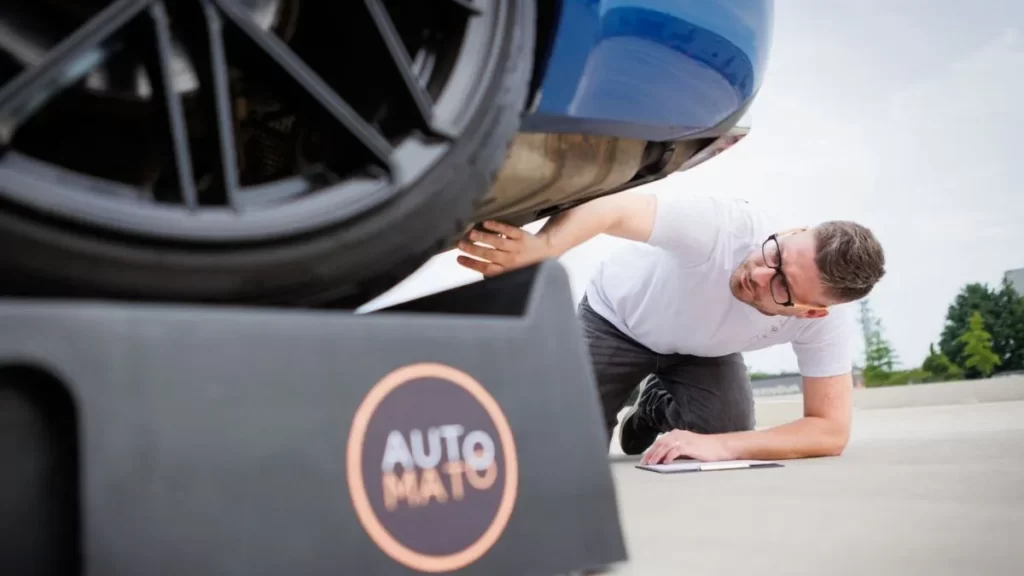
Here are some steps you can take when inspecting a car before buying it:
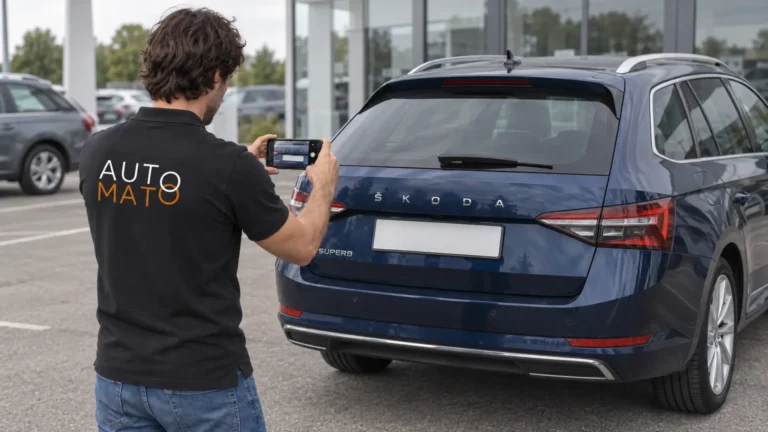
Check the exterior: Check the exterior of the car for signs of damage or wear. Look for dents, scratches, and rust spots, and check the tires for good condition.
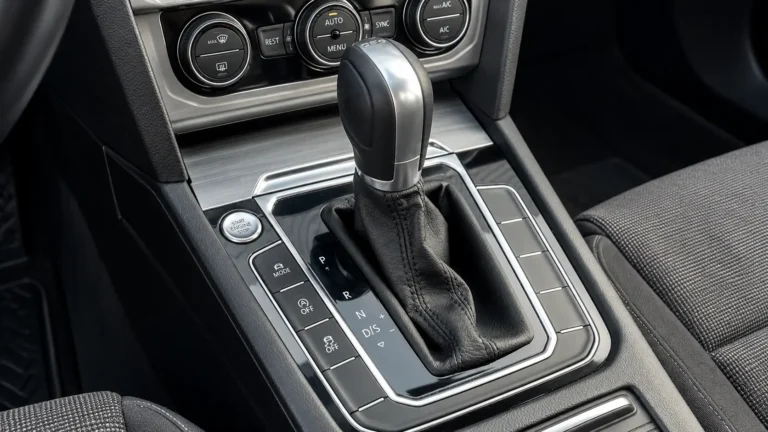
Check the interior: Look inside the car and check the seats, dashboard and other parts for signs of wear. Make sure all controls and functions are working properly, including the air conditioning and heating, radio and power windows and locks.
Check the engine: Check under the hood for any signs of leaks or damage. Check fluid levels and check for unusual noises.
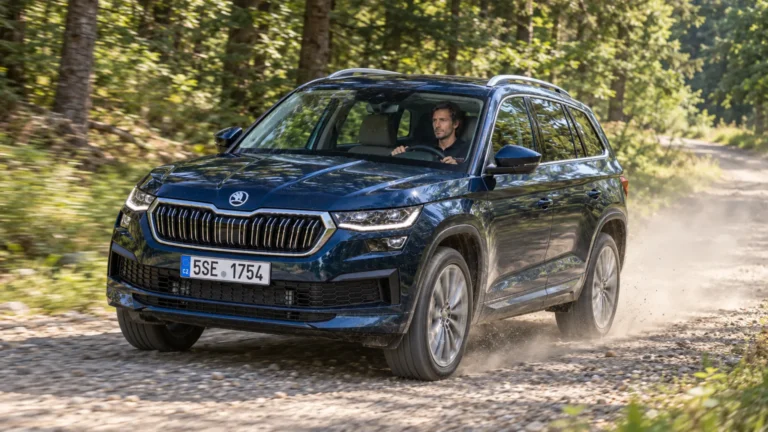
Take the car for a test drive: Always test drive a car before buying it. This will give you a chance to see how it handles and identify any problems. Make sure to test drive the car on both city streets and highways to get an idea of how it handles in different conditions.
Request a vehicle history report: Whether you are buying a car from a used car dealer or a private seller, it is important to check the history of the car before you buy. You can do this by having a vehicle history report prepared, which will provide you with information about any accidents, repairs or other problems with the car. You can use our service Complete vehicle history check. A good tool for verifying history is also, for example Cebia and or Carvertical.
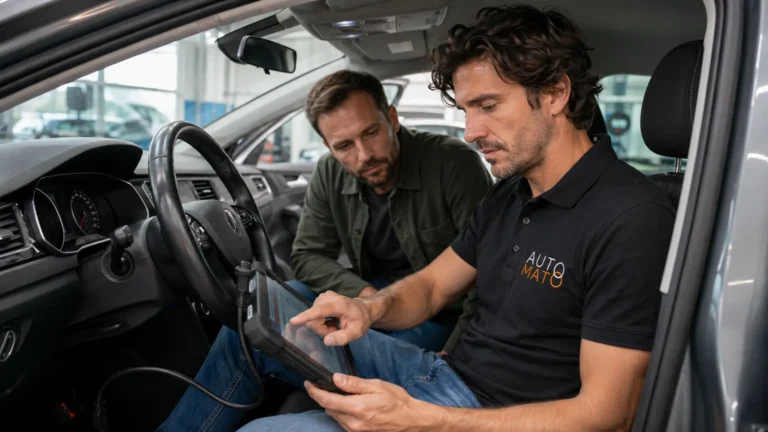
Have your car checked by a mechanic: If you are buying a car from a private seller, it is a good idea to have the car checked by a mechanic before you buy it. This will help you to detect any hidden problems that the seller may not have told you about. If you do not have one on hand, you can use our service Assisted car inspection before purchase and or Remote car inspection before purchase
By taking these steps to inspect a car before you buy it, you can reduce the risk of buying a „lemon“ and ensure you get a reliable car.
Other factors to consider
Price: In general, buying from a private seller can be cheaper than buying from a used car dealer. Private sellers may be more willing to negotiate on price and may not have overhead costs to pass on to the buyer.
Guarantee: Used car dealerships often offer warranties on the used cars they sell, which gives buyers additional peace of mind. Private sellers usually do not offer any type of warranty, which can be a risk for some buyers.
Reputation: When buying from a used car dealership, it's important to consider the reputation of the dealer. Look for reviews and references from previous customers to get an idea of their level of customer service and the quality of their vehicles.
Comfort: Buying at a used car dealership may be more convenient for some buyers because the dealer will handle all the paperwork and may even offer financing options.
Tips for negotiating when buying a used car
Do your research: Before you start negotiating, find out the make and model of the car you're interested in and its current market value. This will give you a better idea of what a fair price is and help you negotiate more effectively.
Be polite: Being polite and respectful to the seller can help you build a positive relationship and negotiate a better offer. It's important to keep communication open and avoid being aggressive or confrontational.
Report any problems: If you notice any problems or defects when inspecting the car, be sure to point them out when negotiating. This can help you negotiate a lower price and may even lead the seller to fix any problems before the sale.
Be able to say NO: If the seller is not willing to negotiate or you are not happy with the price, it is important to be able to walk away. There are plenty of used cars on the market and it is better to wait and find one that suits your needs and budget.
The importance of a test drive with a used car
A test drive of a used car is important because it helps you assess the overall condition of the vehicle and make sure it suits your needs and driving style. It's also an opportunity to test out the car's features and see if there are any problems.
Tips for test driving a used car
- Choose a route that includes both city and highway driving.
- Pay attention to how the car handles and whether there are any unusual sounds or vibrations.
- Try out the car's features, such as the radio, air conditioning, and power windows.
- Prepare a checklist of items to check during the test drive, such as brakes, acceleration, and turning radius.
Conclusion
When deciding whether to buy a used car from a used car dealer or a private seller, it is important to weigh the pros and cons of each option. Ultimately, the decision will depend on your individual needs, budget, and preferences. Regardless of which option you choose, be sure to give the car a thorough inspection and have it checked by a trusted mechanic to ensure you are making a wise investment.