












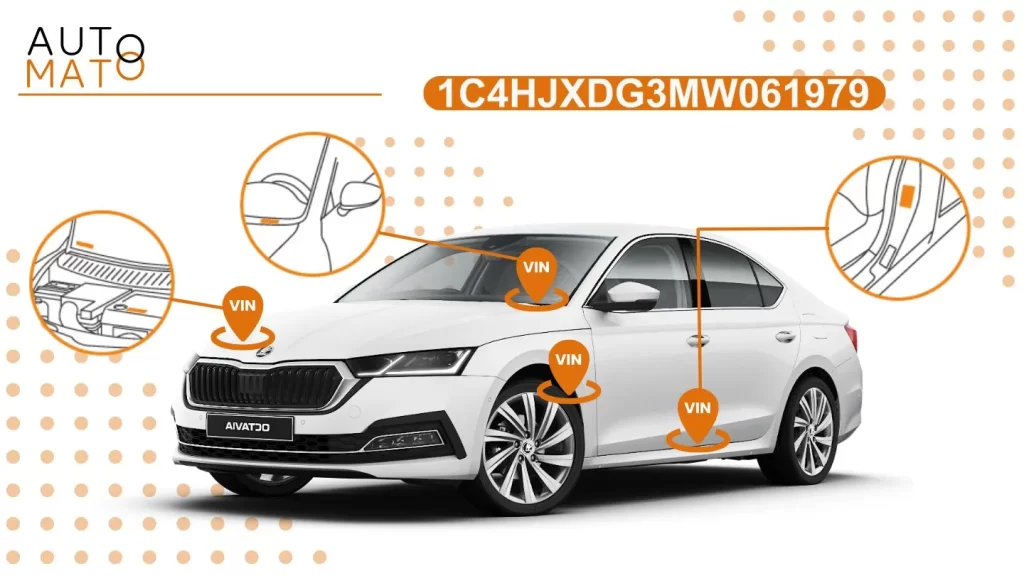
Just as we humans have our own social security numbers, vehicles have their own identification codes called VIN codes. The VIN code differs from the social security number in that it is much more detailed and provides complete information about the vehicle. The VIN code is a combination of 17 letters and numbers that are usually stamped into the bodywork or on a label permanently attached to the vehicle. Manufacturers place VIN codes in various places, including the windshield visor, so that they are easily visible. The standard modifies the code format and excludes the letters I, O and Q to avoid confusion with numbers. The VIN code provides all the important information about the vehicle and is important for its identification. The VIN (Vehicle Identification Number) is a unique identification number that is assigned to every vehicle produced and consists of seventeen characters. Checking this number is key when buying a used vehicle. What does the VIN code mean and contain?
What does the VIN code contain?
The structure of the VIN code can be divided into three parts, which are further divided into precisely defined positions.
- The first three positions indicate the vehicle manufacturer and are the World Manufacturer Identification (WMI) codes. Every vehicle manufacturer in the world has its own unique code.
The first character of the VIN code indicates the region of the manufacturer (Europe = NZ, Asia = JR, North America = 1-5). The second character determines the country where the vehicle was manufactured. For example, the TMB code belongs to Škoda Auto. Sometimes the third position can be replaced by the number 9, which means that the vehicle comes from a small-scale production limited to a maximum of 500 units per year.
- Positions 4 to 9 indicate the vehicle description code (VDS), which allows the manufacturer to indicate various vehicle characteristics (model, engine, fuel, etc.). The ninth position is a control and allows you to verify the correctness of the entire VIN code using special tables.
- Positions 10 to 17 are for the serial number (VIS), which serves as a unique identifier for the vehicle. The composition of the number is determined by the vehicle manufacturer, and sometimes includes information about the model year, manufacturing plant, etc.
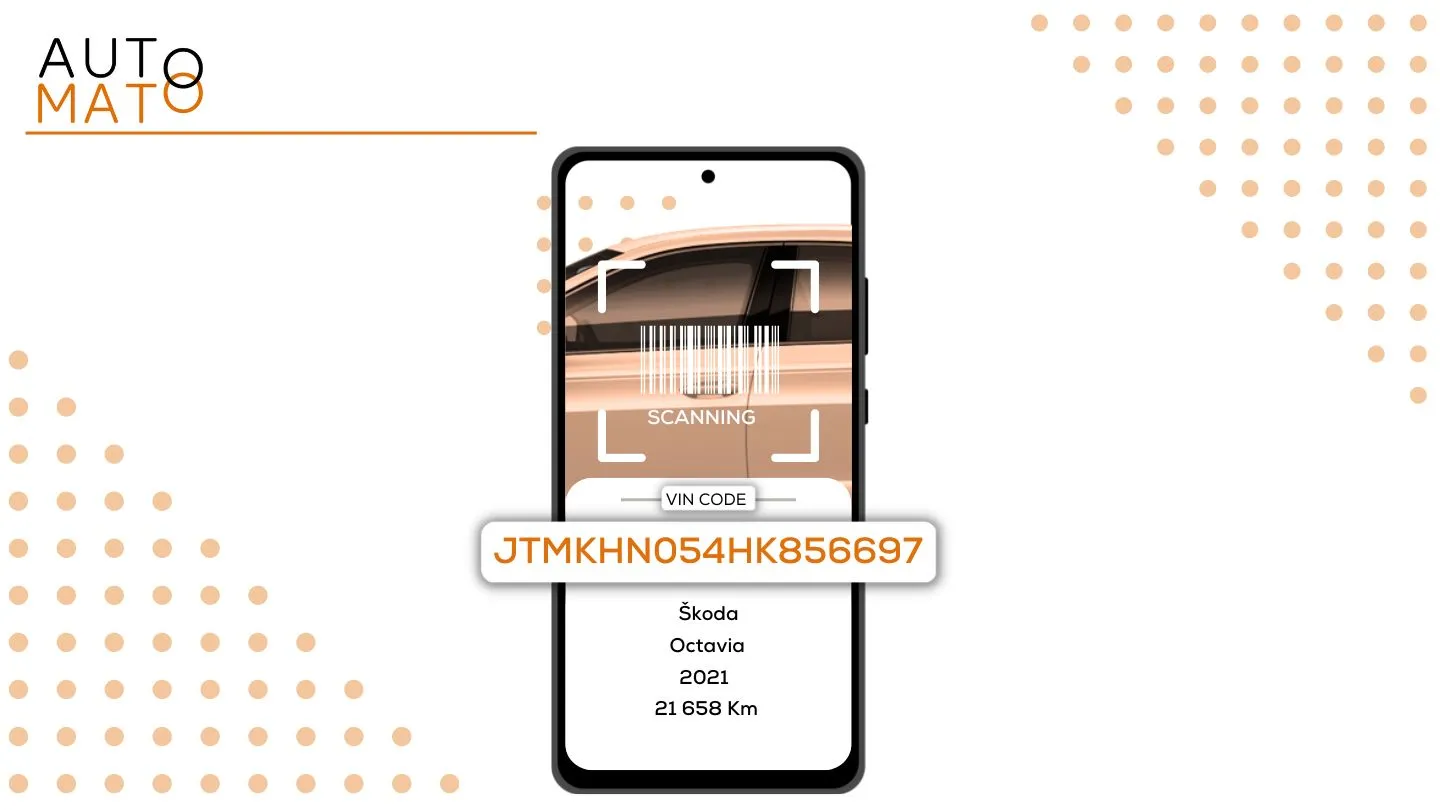
Where and how do I check the VIN code?
When looking for a used car, checking the VIN code should be the first step we should take. Today, publishing the VIN code has become standard in used car advertisements. If the seller does not want to provide the VIN code, it is possible that he wants to lure you into a personal inspection and is aware that checking the code would reveal some damage or a twisted speedometer. We also use the VIN code of the car in several steps when checking cars before buying. Not only are we able to determine the exact equipment of the car based on the VIN code, but we also check the history, any car accidents and mileage.
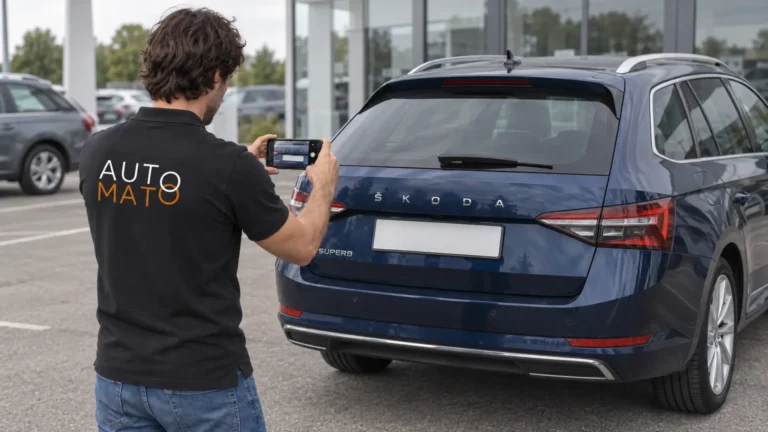
Checking the history of a car is certainly an important part of checking a car before buying, but it is always better to get an idea of the real condition of the car. Only a physical inspection right before buying will give you this idea. If you are interested in checking your desired car, check out our services HERE. We are the number one in vehicle inspections and with us you can be sure that the seller will not cheat you.
Other options for checking the VIN code
Our complete online inspection – Checking history, odometer, executions, financing and possible accidents (for cars from the Czech Republic and imported).
CarVertical.com – International VIN code verifier (recommended for imported cars).
Cebia – Czech VIN code verifier (recommended for cars from the Czech Republic).
In 2021, there were approximately 161,000 used cars with a twisted speedometer, which means that one in six used cars may have had a twisted speedometer. This is most common in used cars from BMW, Audi, and VW and Škoda auto that were imported from abroad. Checking the speedometer is problematic for cars imported from abroad.
In the Czech Republic, the odometer reading is recorded only at the first registration check after import, so it is difficult to determine the actual number of kilometers driven before import. Therefore, it is best to buy cars with a mileage history from the beginning, which were purchased in the Czech Republic. Now you know what the VIN code means and contains.
Follow us through our social networks, Don't miss any news.