












Mistake No. 1 EMOTION
Choosing a used car is an activity that evokes many emotions in us. Most of the time, these are nice emotions and the vast majority of people are looking forward to buying and choosing a new, maybe even dream car and can't wait to show off their new darling at home, at work or with friends. And that's the big problem, because emotions DO NOT belong in buying a new car! When buying a used car, it usually applies that love at first sight means financial suicide.
If you don't want to get burned when buying a car, use our service Used car inspection.
Tip No. 1 – Just because you like a car doesn't mean you'll be happy with it, always use common sense and never buy a car at the first sight.

Mistake No. 2 A SMALL CAR IS ENOUGH FOR ME
The first question you should ask yourself is “"What do I need a new car for?"
Think carefully about how often you will use a large car, how many people you will usually transport in it, and how much stuff you will carry with you. And if you come to the conclusion that you will spend 99% of your time in the car alone or at most with a sexy girlfriend, which you don't have yet, but a new car will definitely help you get, consider whether it would not be wiser to buy a cheaper hatchback or a nicer sedan instead of a giant station wagon.
Tip No. 2 – Large cars usually have the advantage of greater storage capacity and better comfort for the crew, but on the other hand, they are much harder to maneuver, tend to be much more expensive, and parking requires certain skills. On the other hand, smaller and more compact cars have the advantage of more comfortable driving, especially in cities, a much more favorable price, and parking can be handled even by a less experienced driver. Unfortunately, you cannot transport a two-meter TV in them, and the interior usually resembles a modest cell in Pankrác rather than a comfortable living room.

Error No. 3 DIESEL BELONGS TO THE TRACTOR
Now that we have chosen the size of the car after a long decision, now comes the engine. And we are back to our favorite questions and with the engine we should ask ourselves the question: "Where and where will I drive most often?" It depends a lot on whether your routes will be shorter and in the city or if you are more of a highway pirate or if the country road is your second home. Each engine is suitable for something different and the right engine unit has a big impact on the lifespan of our new family member and therefore on your wallet. The right engine also has a big impact on the car's fuel consumption. For example, if you choose a powerful petrol asphalt ripper and your monthly mileage is calculated in hundreds or even thousands of kilometers per month, believe that you will buy most of your Christmas gifts with points from gas stations.
Tip No. 3 – Diesel engines fits and are built for longer routes and for drivers who have a lot of mileage. They usually have lower consumption, but if you drive mostly in the city and short routes with a TDI engine, for example, it will pay off with higher service costs. Diesel engines clog more on short routes and any deposits in the engine can cause a lot of trouble and drain your wallet. On the other hand, a petrol engine is more suitable for short routes and cruising, it does not suffer so much from engine clogging and even more frequent starting does not bother it so much. On the other hand, they tend to have higher consumption, especially older models, so longer routes will be more expensive.

Mistake No. 4 I DON'T NEED HELP
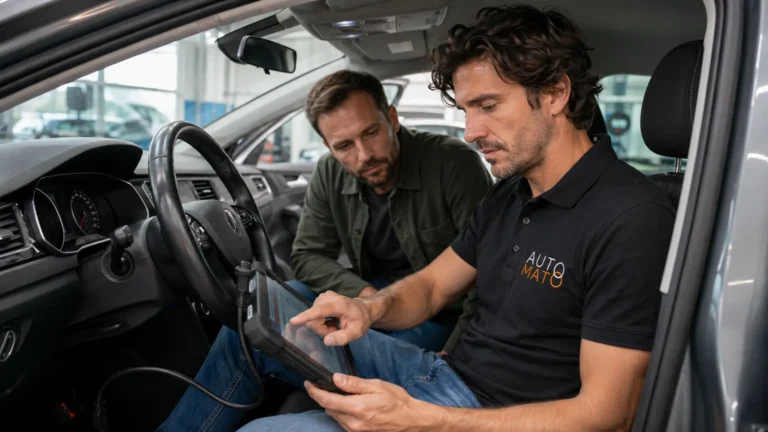
It's clear to me that you are definitely a complete pro and are familiar with all the problems and pitfalls that arise when buying a used car. You definitely don't need help and you certainly don't need someone to talk you into choosing and checking a car. That's one of the biggest and most expensive mistakes you can make! Because most people who decide to sell their old car have a reason for doing so, and one of those reasons may be the technical condition. Therefore, always have the car you are buying checked and inspected by someone who really understands cars. Yes, it probably won't be free, but believe me, this initial investment will be well worth it. After all, even a small engine jerk can mean a problem worth several thousand, and if you find out about this problem before buying the car, it can either mean a nice discount on the car in question or, if you have the gift, they will decide not to buy this particular piece and look for another one that won't make you a fool of yourself in the subsequent service. Shake it off.
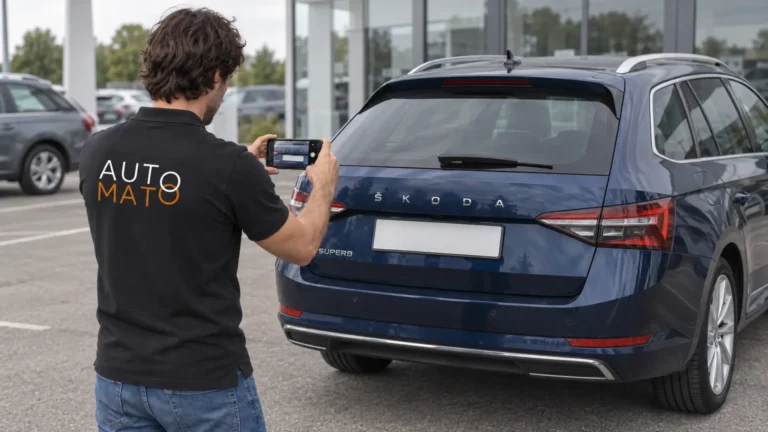
Tip No. 4 – Always inspect your dream car carefully and you can do this in several ways. 1. Request our seller AUTOMATO Certificate (which is a pre-sale inspection of the car), so you will be familiar with the condition and problems of the car before you buy it. The inspection is always carried out by an independent car service 2. Visit a dealer with an experienced mechanic and have the car properly tuned up. That's what our next service is for. Used car inspection. 3. You can also check the car virtually, for example with the service Cebia, which can determine whether your car has been stolen, damaged, or has low mileage. 4. If for some reason you buy a car without a pre-purchase inspection, you can use our service Assisted car inspection, where we will find out the defects of your new car and if we discover any serious hidden defects that the seller did not inform you about, we will give you precise instructions on how to proceed in this case and obtain either a discount on the car or withdrawal from the purchase contract.

Mistake No. 5 CAR FOR 100 THOUSAND. NOT WORTH 100 THOUSAND
When you decided to buy a used car, you probably also set a budget. However, this budget should also take into account the amounts you will have to invest before and after buying the car. Buying a car consists of three parts, and they are 1. car selection and inspection 2. buying a car 3. car service. And each of these parts, whether we like it or not, will cost a certain amount of money. So let's assume that for cars up to 5,000 EUR, we will need at least 20% of the amount for checking and servicing the car. For cars over 5,000 EUR, it is approx. 15% of the car price. So if you have a budget for a new car of 5,000 EUR, choose cars with a price tag of up to 4,000 EUR.
Buying a used car is no science, but you should stick to certain rules, never underestimate them, and be cautious, it will pay off for you and your wallet.