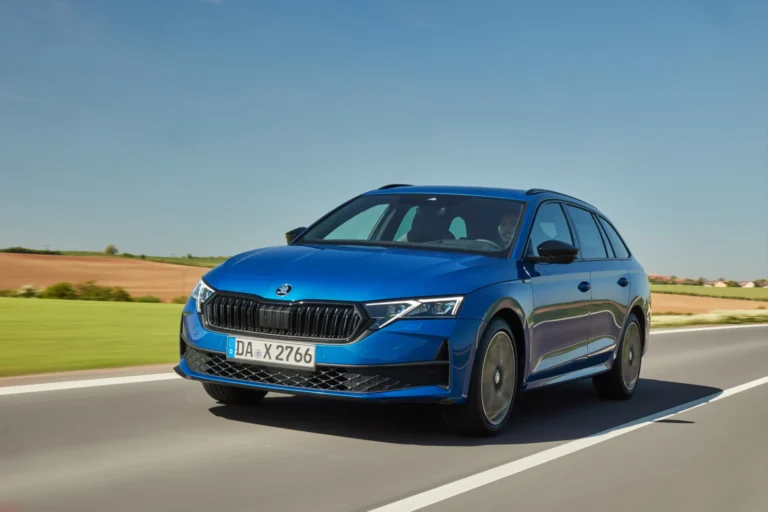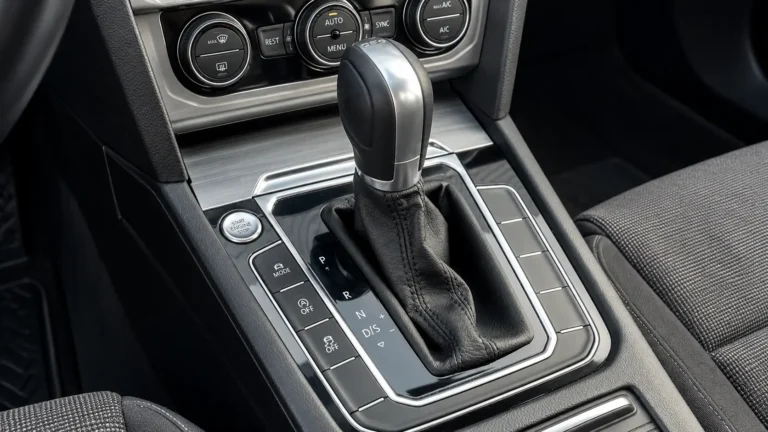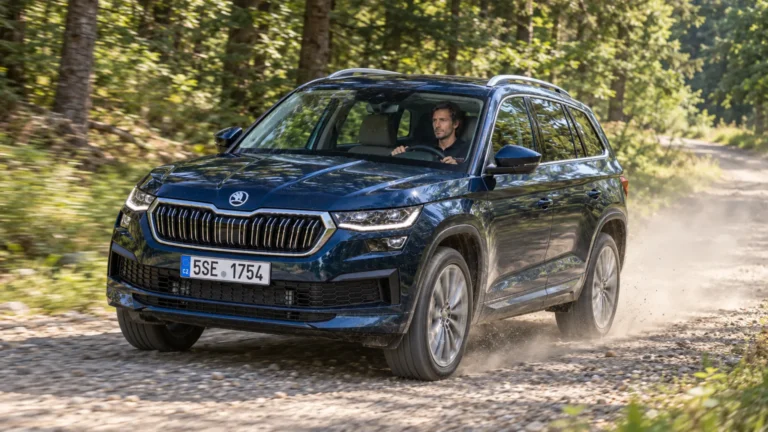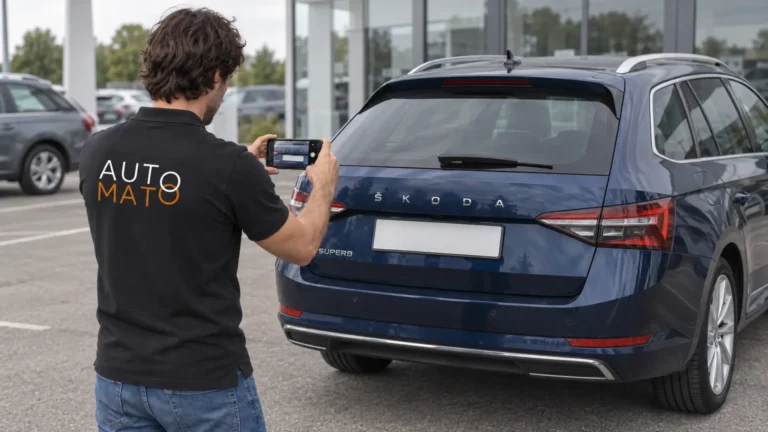













Buying a car requires a lot of caution and careful research. The main dilemma lies in where to buy the vehicle. Buying a new car can be financially demanding, and not everyone has good experiences with used car dealerships, so buying from a private seller is the only option. Buying a used car from a private individual can be profitable, but sometimes risky. The following article focuses on how to proceed when buying a car from a private individual to minimize the risks and get the best deal.
So how do you proceed when buying a car from a private individual?
Exploration
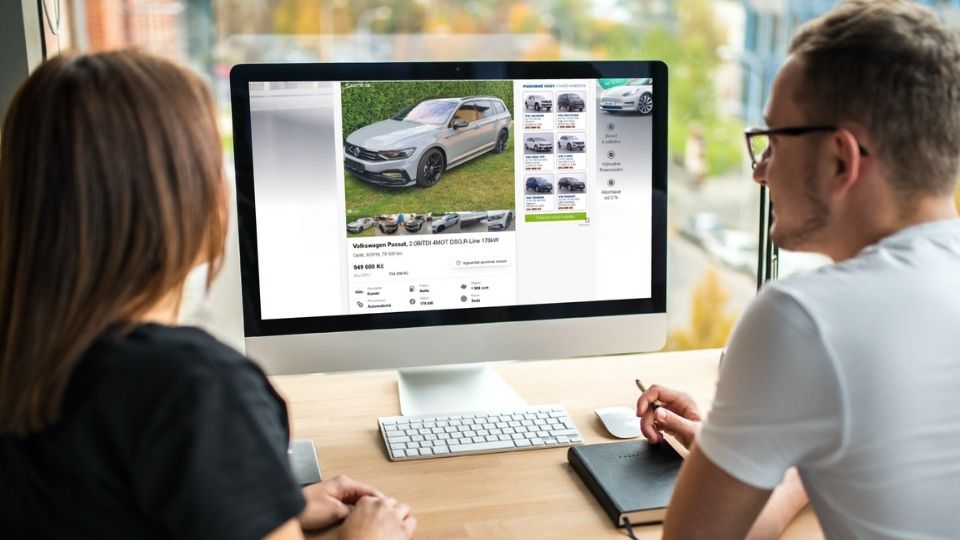
The first step is to start researching the cars you're interested in. You can start online, such as on Facebook Marketplace, Sauto, Bazoš, or other websites that offer cars from private sellers. Filtering the listings by criteria such as make, model, year of manufacture, and mileage will help you narrow down your choices.
First contact
When you find a car you're interested in, contact the seller and ask them important questions. Ask about the car's history, any accidents, whether the car has any loans, whether they are the real owner of the car, whether any major repairs have been made, and whether the car is still under warranty.

Pre-sale inspection
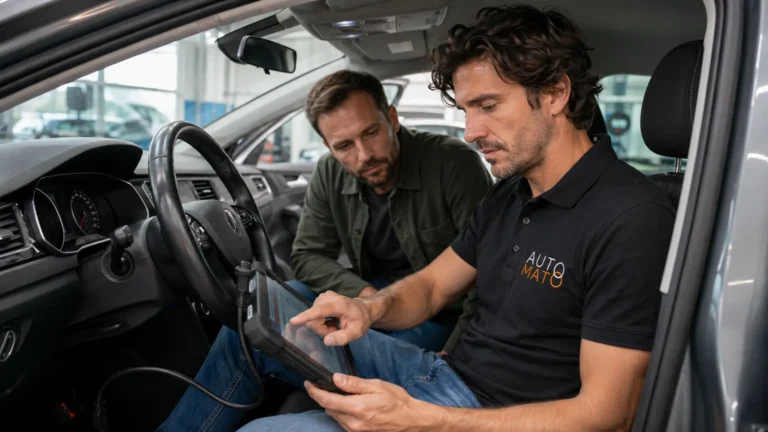
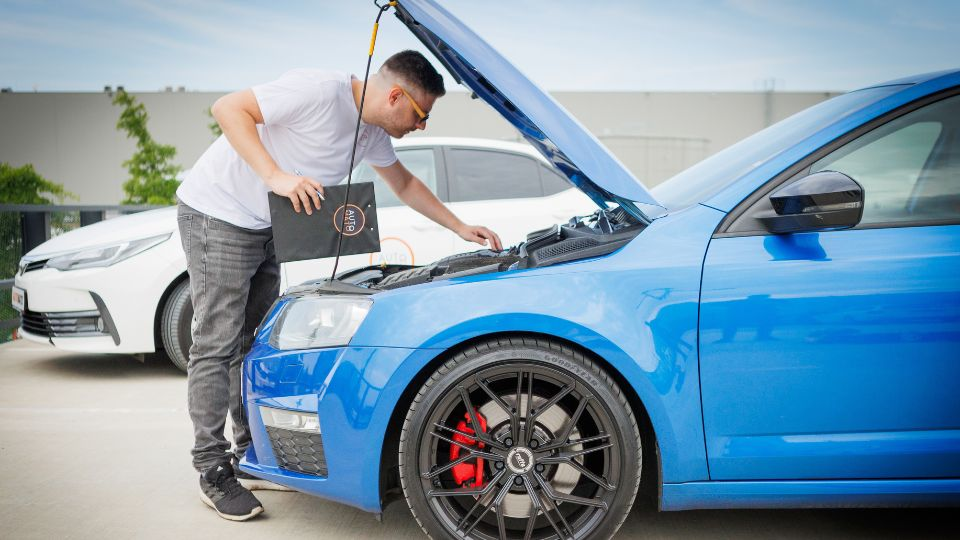
If you are satisfied with the seller's answers, make an appointment to inspect the car. It is advisable to take an experienced friend or mechanic with you who can help you assess the condition of the car. During the inspection, check the body, chassis, engine, tires, interior and other key parts of the car. If you do not have a skilled car mechanic in your area, you can use our pre-purchase inspection. Our technician will thoroughly check the car and you will be sure that you are not buying a pig in a poke. You can order our inspection throughout the Czech Republic and Slovakia HERE.
Test drive
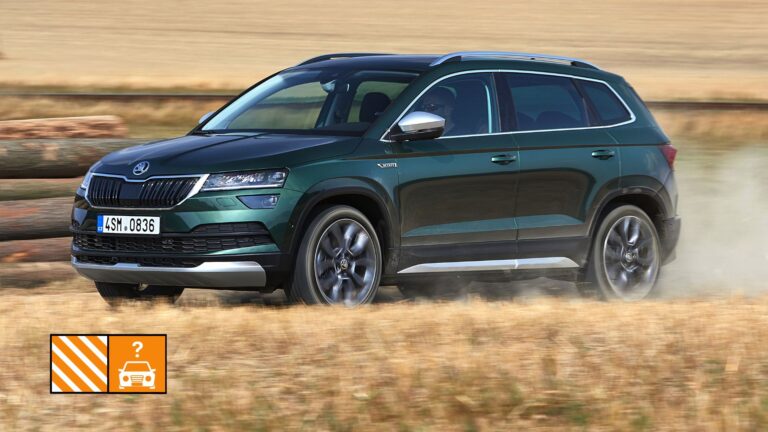
A test drive is an essential part of buying a used car. While driving, try different speeds, turns, and braking to see how the car responds. While driving, notice any sounds and vibrations that could indicate a problem. While driving, you should also have the opportunity to try driving the car on unpaved terrain at a lower speed, as well as on a paved road at a higher speed. This allows you to map out the full range of engine thrust and thoroughly test the chassis.
Car history check
Ask the dealer for a history report, or you can get your own history report using the VIN (Vehicle Identification Number). Check the accident records, owners, mileage, and make sure the information matches what the dealer told you. You can also check to see if the car has been stolen or if it has been totaled (declared a total loss by the insurance company). You can read more about what the VIN code means and contains in our detailed article HERE.
Determining a fair price
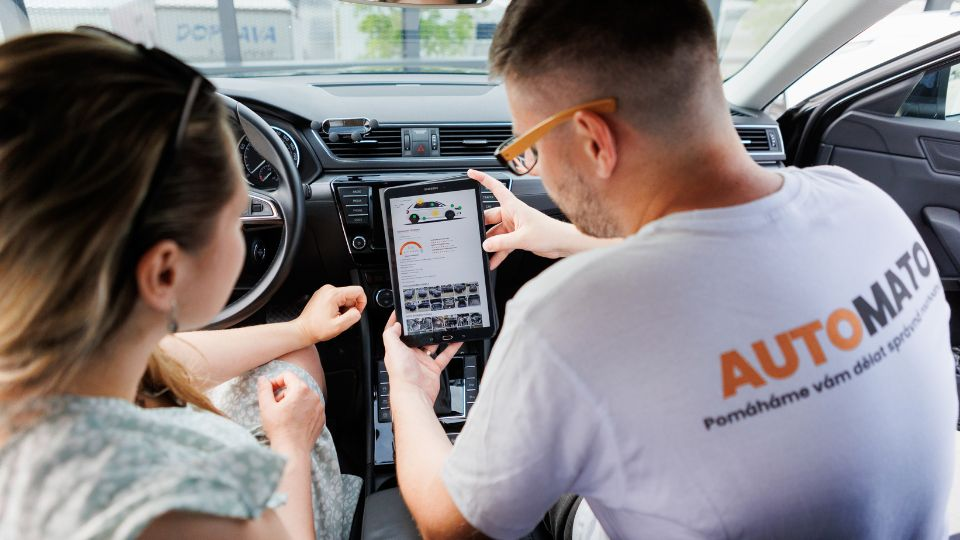
Using information about the condition of the car and its history, find out if the price offered is fair. Again, all advertising portals for comparing prices will be of great help to you. You can also explore the offer of second-hand car dealerships and brand dealers. When determining the real price of the car, do not forget to take into account the current condition of the car and all its defects and subsequent necessary service. With luxury brands such as BMW, Mercedes or Audi, even such a stupid thing as replacing the complete brakes can cost a pretty penny.
How to negotiate a better price with a private seller?
If the price of the car is higher than it should be, don't be afraid to negotiate with the seller. Private sellers are usually more willing to negotiate on price than car dealerships. When negotiating, use all the arguments you gained during the physical inspection of the car. If the seller is not willing to give a reasonable discount, don't be afraid to walk away from the car and look for another one. There are still plenty of used cars on the market and it really pays to wait for the right moment.
Preparation of documentation
If you have agreed on a price and decided to buy a car, it is time to prepare all the necessary documents. Check whether the current owner of the car is not in foreclosure and whether the seller you are dealing with is really the owner. Prepare a quality purchase agreement and ensure that it describes the real condition of the car in detail. You can find out how to write a purchase agreement in our next article HERE.
How to deal with insurance and registration when buying a car from a private seller?
Before you drive away your newly purchased car, don't forget to insure it. We don't want to paint the devil on the wall, but you can have a car accident on the way home and it is more pleasant for both parties if the new owner takes over the negotiations with the insurance company. The old owner's insurance may not take into account all the circumstances and you could suddenly be without a car and without money.
Compliance with warranty periods and inspections
If the car still has a valid warranty, find out if it is transferable to the new owner. If so, familiarize yourself with the terms and conditions so that you can use the warranty if necessary.

Call-off event
Car recalls are situations where an automobile manufacturer discovers a problem or defect in a particular car model that may impact the safety, performance, or reliability of the vehicle. These problems may include design defects, defective components, or non-compliant safety features.
When such a fault is detected, the manufacturer informs the owners of the affected vehicles and initiates a recall to resolve the issues. As part of the recall, the manufacturer will offer to repair or replace the defective parts free of charge at authorized service centers. It is therefore a good idea to find out if your vehicle has ever been subject to such a recall in the past and whether it has undergone one. Authorized service centers can help you with this.
Conclusion
Buying a used car from a private individual can be a great deal if you know how to proceed and what to look out for. Thorough research, checking the vehicle's history, checking its technical condition, negotiating and preparing the documentation will help you get a car that will suit your needs while ensuring that you won't have any legal or technical issues. Pay attention to the details, whether it's choosing a car, communicating with the dealer or inspecting the vehicle, and you'll be able to enjoy driving your new used car without worry.
Follow us through our social networks, Don't miss any news.