













The topic of warranty when buying a used car is often a subject of discussion. A used car is a product that is therefore covered by a warranty. The duration of the warranty varies depending on who is selling the car. It is important to be aware of what a used car warranty covers. When claiming a warranty, it is important to follow the correct claim procedure. So what is a used car warranty?
So what does a used vehicle warranty cover and what doesn't?
The warranty on a used car covers so-called hidden defects. These are defects that the buyer was not able to detect when buying the car or that the seller did not warn about in advance. The warranty can also be applied if the buyer was provided with incorrect information about the characteristics of the car - for example, if it was said that the car had never been in an accident and the buyer can prove that an accident had occurred in the past. If the seller provides information about the characteristics of the car, insist on including it in the purchase contract.
The warranty does not apply to defects that the seller has notified you of and that are listed in the purchase contract. The warranty also does not apply to defects that you may discover during an inspection of the car or during a test drive – for example, non-functioning lights, non-functioning wipers, insufficient tire tread depth, etc.

Important – do not have the reported defect repaired!
During the entire claim process, the vehicle must remain in the same condition as when the defect occurred. If the vehicle is repaired, no claims can be made. This is inconvenient because the car may be out of service the entire time.
Used car warranty from a used car dealership
If you buy a vehicle from a used car dealer, i.e. from a used car dealer, you have a 24-month warranty on it against hidden defects. An interesting aspect is the division of the burden of proof - in the first 6 months from the purchase it lies with the seller. This means that if a hidden defect becomes apparent within 6 months of concluding the purchase contract, the used car dealer must prove that the defect did not exist at the time of sale. After 6 months from the purchase of the vehicle, the burden of proof shifts to the buyer.
If you really want to make a complaint about a defect, you must first make your claim in writing to the dealer. If the complaint is accepted, the car dealer is obliged to draw up a complaint protocol. It is important to insist on this. Keep a copy, because the thirty-day period for handling the complaint begins to run from the moment you submit the complaint. If the dealer subsequently accepts the complaint, you need to agree on the method of correction (repair, price discount, withdrawal from the contract). Only then can you have the car repaired.
The seller may also reject the claim. In such a case, it is best to have an expert opinion prepared and continue with the claim. If that does not help, the only option is to go to court, ideally with an expert opinion. The costs of a lawyer can then also be claimed as part of a justified claim.

Warranty for a vehicle purchased from a private individual
If you buy a car from a private individual, the warranty period for hidden defects is 6 months and the burden of proof lies with the buyer – according to Section 2445 et seq. of the Civil Code. The ideal procedure for the buyer is to first have an expert opinion prepared and then contact the original owner with the completed opinion. If the complaint is not accepted, you need to contact a lawyer and possibly the court. Do not sign a purchase contract with the following items:
As is – if you find the wording "as is" in the contract, the seller is exempt from liability for possible hidden defects in the vehicle.
Arbitration clause – do not sign a contract that contains any provision on arbitration clause. In the event of a future dispute with the seller, you could find yourself in a less advantageous legal position. If the contract does not contain an arbitration clause, any disputes will always be resolved in court.

Don't rely on the warranty, check the car thoroughly before buying!
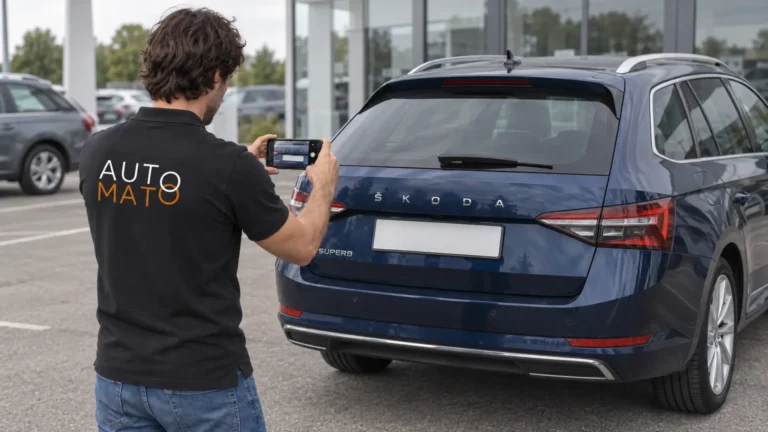
- Visually inspect the entire car, including the bodywork, painted surfaces and windows, for any damage.
- Inspect the interior for wear and tear or imperfections that could indicate potential problems.
- During the test drive, pay attention to the brakes, shifting, controls, and engine sounds, which may indicate mechanical problems.
- Check all fluids and oil levels, which may indicate leaks or other engine problems.
- Inspect the chassis and exhaust to identify any corrosion or impact damage.
- Read the service history to see if maintenance and repairs have been performed regularly.
- Have the VIN code checked, which provides information about the car's origin and history.
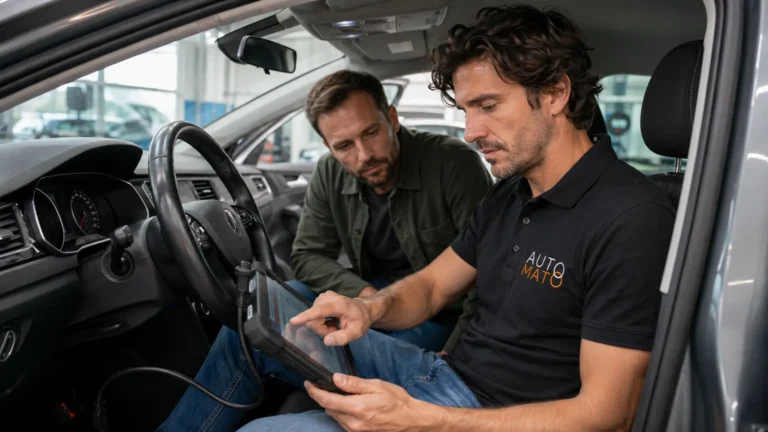
- For maximum security, we recommend ensuring inspection by an expert.
Remember, thoroughly inspecting a used car before purchasing it can save you time, money, and potential problems in the future.
Follow us through our social networks, Don't miss any news.