













Many myths about used cars and the used car trade are prevalent in the public consciousness. These beliefs often stem from personal experiences and vivid stories from the period shortly after the revolution. However, much has changed over the past thirty years. In this article, we will try to dispel the most common myths about used cars, imagine where they came from, and explain why they are no longer valid today. 5 most common mistakes and myths about used cars
Diesel is worth it! One of the 5 most common mistakes and myths about used cars.
When buying new cars, diesel variants are often more expensive, but in the case of used vehicles, this price difference becomes smaller. Sometimes you will even find that the diesel version is cheaper, which many buyers consider a good investment due to the lower fuel consumption. However, today's diesel engines are very complex and after a certain number of kilometers they become more risky. Although they may consume two liters per 100 km less than a comparable petrol engine, the cost of repairing expensive parts can wipe out this saving. This is not to say that all diesel cars are disadvantageous, but there are few truly high-quality diesels on the market, and you need to drive a lot of kilometers to benefit from them.
French and Italian are not reliable

Traditionally, used cars from Italy and France have a bad reputation. However, this impression often comes from the early experiences of people who, after the revolution, bought old Citroëns or Fiats made up of three crashed cars and with poor-quality electronics. Such cars were cheap, but they caused a lot of problems.
It is true that French brands in particular experienced a difficult period around the turn of the millennium, when they experimented with complex electronics. However, cars from other brands, such as Mercedes, Volkswagen or Opel, also had similar problems. Today, it is no longer possible to say that French or Italian cars are significantly worse than the average vehicle on the market. The owner's care for the car plays a crucial role.
Recently, French vehicles, especially Peugeots, have been characterized by exceptionally high-quality anti-corrosion protection.

Mainly a completed service book
Be careful with service books, which can be misleading. Anyone can write whatever they want, and if the stamps in the book are suspiciously similar, you should be careful. To be sure, check the service history directly at the official car manufacturer's service center (they often use electronic service books these days) or at independent service centers where the car was supposedly taken for maintenance.
For vehicles with higher mileage, you should base your decision primarily on the overall condition of the car. Some owners perform basic maintenance themselves and do not have detailed service history records.
For cars only to Germany
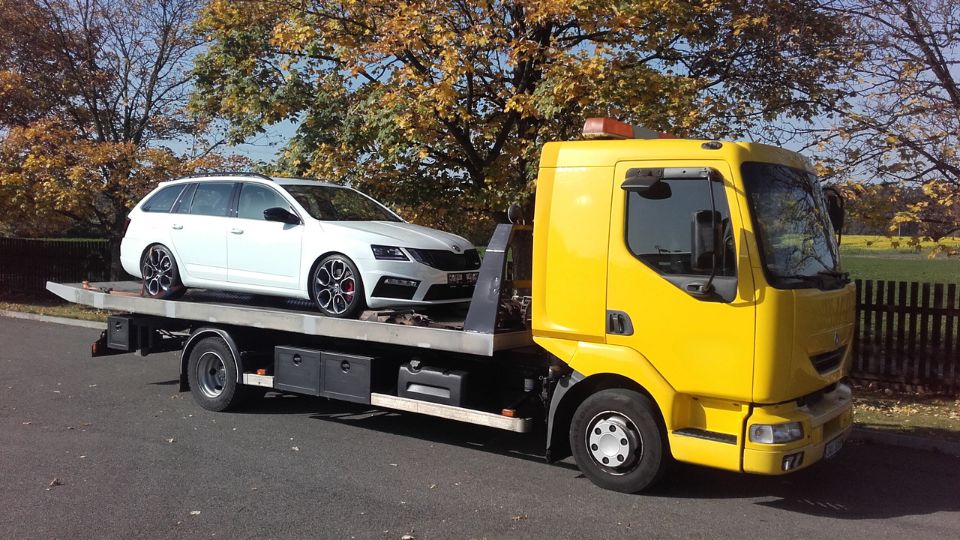
It is interesting that for many Czech used car buyers, Germany symbolizes a guarantee of quality, origin and reliability. They may think that the reason is better roads, greater willingness to spend on cars, less economical handling of them or lower prices of used cars than in the Czech Republic. This assumption may have been valid in the early 1990s, when used German cars began to appear in the Czech Republic. However, the situation is different today.
Most Germans prefer operational leasing, which means that preventive maintenance is not a priority for them. In addition, the origin of vehicles is often manipulated in Germany, which can cause problems with claims. For example, a customer buys a „Mercedes from a local pensioner“ that was actually crashed in Albania, stolen in Romania, but with German documents.
Imported car inspection
Inspecting an imported car is an important step when buying a used car from abroad. During the inspection, you need to focus on several key aspects. The origin of the vehicle, its service history and the condition of the odometer are essential for verifying the reliability and overall quality of the car. It is also important to perform a thorough inspection of the body, chassis and engine compartment to detect any signs of an accident, corrosion or neglected maintenance. It is advisable to use the services of a specialist or independent technician who can perform a comprehensive inspection and assess the technical condition of the car. If you do not have anyone like that in your circle, you can use our technician who will thoroughly inspect your car. You can conveniently order an inspection on our website.
The tachometers no longer turn? One of the most common mistakes and myths about used cars
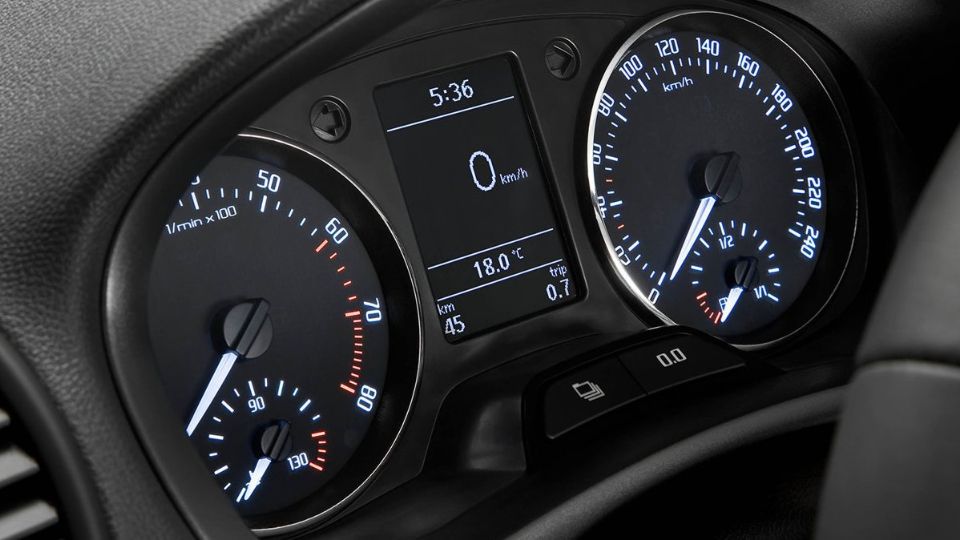
Yes, unfortunately, speedometer tampering is a common occurrence not only in the Czech Republic, but also abroad. Even though it is no longer so easy for some vehicles, fraudsters usually find a way to do it. For used cars, it is now easier to verify the latest data from the technical inspection, where the number of kilometers driven is recorded (and service stations also maintain their own databases). The greatest risk lies in the import of used cars, especially from southern Europe, where speedometer inspection and their registration are not so strict.
Fraudsters can turn down speedometers before the first Czech technical inspection and no one may notice. You need to be careful and not be tempted by incredibly low mileage, as in the case of a ten-year-old diesel Passat from Italy with allegedly 58,000 km. It is important to use common sense and logic. A ten-year-old diesel should have at least 200 thousand kilometers and quite possibly more. Now you know the 5 most common mistakes and myths about used cars.
Follow us through our social networks, Don't miss any news.